
For 1428 Elm, I penned an article sharing my love of Black Christmas, how it pioneered many of the slasher tropes, and why, in a post-Dobbs world, the film feels so relevant on its 50-year anniversary. I linked the article and pasted it below.
No matter how many times I’ve watched Black Christmas, the film remains chilling. Yes, it contains some dark humor that foreshadows the comedic films director Bob Clark would helm later, especially Porky’s and A Christmas Story, but the film remains a resonant and powerful slasher, and its influence stretched into the late 1970s and the 1980s slasher craze. Fifty years on, Black Christmas’ themes of female autonomy and agency, especially Jess’ (Olivia Hussey) pregnancy and her decision to abort the child, and the masculine attacks on a female sorority, feel all too relevant at the conclusion of 2024.
From the get-go, the sorority house, which should serve as a safe space for the women, comes under attack through a series of phone calls by killer Billy. Some of his calls sound like garbled, incoherent jibberish. At their core, however, the calls assault the women’s sense of safety. In some of the first calls we hear, he threatens to sexually assault the women. His words are too explicit to reprint here, but the violence stands out more than his other ramblings.
To be clear, the women don’t act defenseless against Billy. In one of the most notable early scenes, Barb, played by the wonderful Margot Kidder, responds to Billy’s threats with the famous line, “Oh, why don’t you go find a wall socket and stick your tongue in it? That’ll give you a charge.” Yes, the line draws laughs, but it also underscores these women aren’t pushovers. They’re also much stronger together, providing greater resolve and defense when united.
However, Billy picks several of them off one by one, including the alcoholic house mother Mrs. Mac (Marian Waldman). The killings start with Clare (Lynne Griffin), who Billy strangles and suffocates with a plastic bag and leaves in the attic, specifically in a rocking chair for the duration of the film. Clare’s murder triggers much of the plot and rattles the sorority sisters, who assume she’s gone missing. Suddenly, their sense of safety shatters.
Of all the deaths, though, Barb’s feels most tragic. Other than Jess, she’s the strongest of the bunch. Yes, her sisters roll their eyes at her, and yes, she boozes as much as Mrs. Mac, but she has the best, most forceful responses to Billy. She successfully rattles him over the phone to the point he threatens to kill her.
Unfortunately, this foreshadows her death a bit past the film’s halfway point. The scene guts me each time, especially since Barb feels like the black sheep of the bunch, as well as the most outspoken. There’s the feeling she’s unwanted, not only by her sisters, but by her family. Who’s coming to pick her up for the Christmas holiday? The fact she dies alone in her bedroom reinforces her isolation.
Black Christmas’ major influence on the slasher genre
Black Christmas isn’t the first slasher. That credit really goes to Psycho and Peeping Tom, both from 1960, but the killer’s POV shots certainly influenced John Carpenter’s Halloween, which released four years after Clark’s film. Just watch the first ten minutes of Black Christmas and then the first ten minutes of Halloween. In both cases, you’re placed in the killer’s POV, as he enters the house. The influence is undeniable. Like Billy, Michael Myers is rarely shown fully in frame. He lurks in the shadows. We catch glimpses and images of him. He’s there, and then he’s not, but he’s an ever-present threat.
Further, the conclusions of Halloween and Black Christmas aren’t too dissimilar. Both boogeymen survive. After Dr. Loomis (Donald Pleasence) shoots Michael several times and he falls from the second floor into the yard, he soon vanishes. Cue the famous Halloween theme, as well as several shots of everywhere Michael’s been in the film, coupled with the sound of his breathing.
At the conclusion of Black Christmas, the police leave Jess alone in the house to sleep and recover. As the credits roll, the phone rings again. It’s clear Billy’s not dead, leaving Jess’ fate uncertain. Clark refused to direct a sequel to Black Christmas, but the film still established the trope that the bad guy isn’t killed off.
Additionally, in both Halloween and Black Christmas, authority figures are pretty inept. This is true of Mrs. Mac, but also the police in both films. In fact, they dismiss the obscene phone calls initially in Black Christmas and then leave Jess alone. In Halloween, they do little to stop Michael and initially ignore Dr. Loomis’ warnings. This is even true of Haddonfield’s sherif, Leigh Brackett (Charles Cyphers). His denial of what Loomis tells him leads to the death of his daughter, Annie (Nancy Kyes). He could have stopped Michael but didn’t. Likewise, in Black Christmas, the police should have listened to the women much sooner about the calls, which could have stopped Billy.
Black Christmas and female autonomy and agency
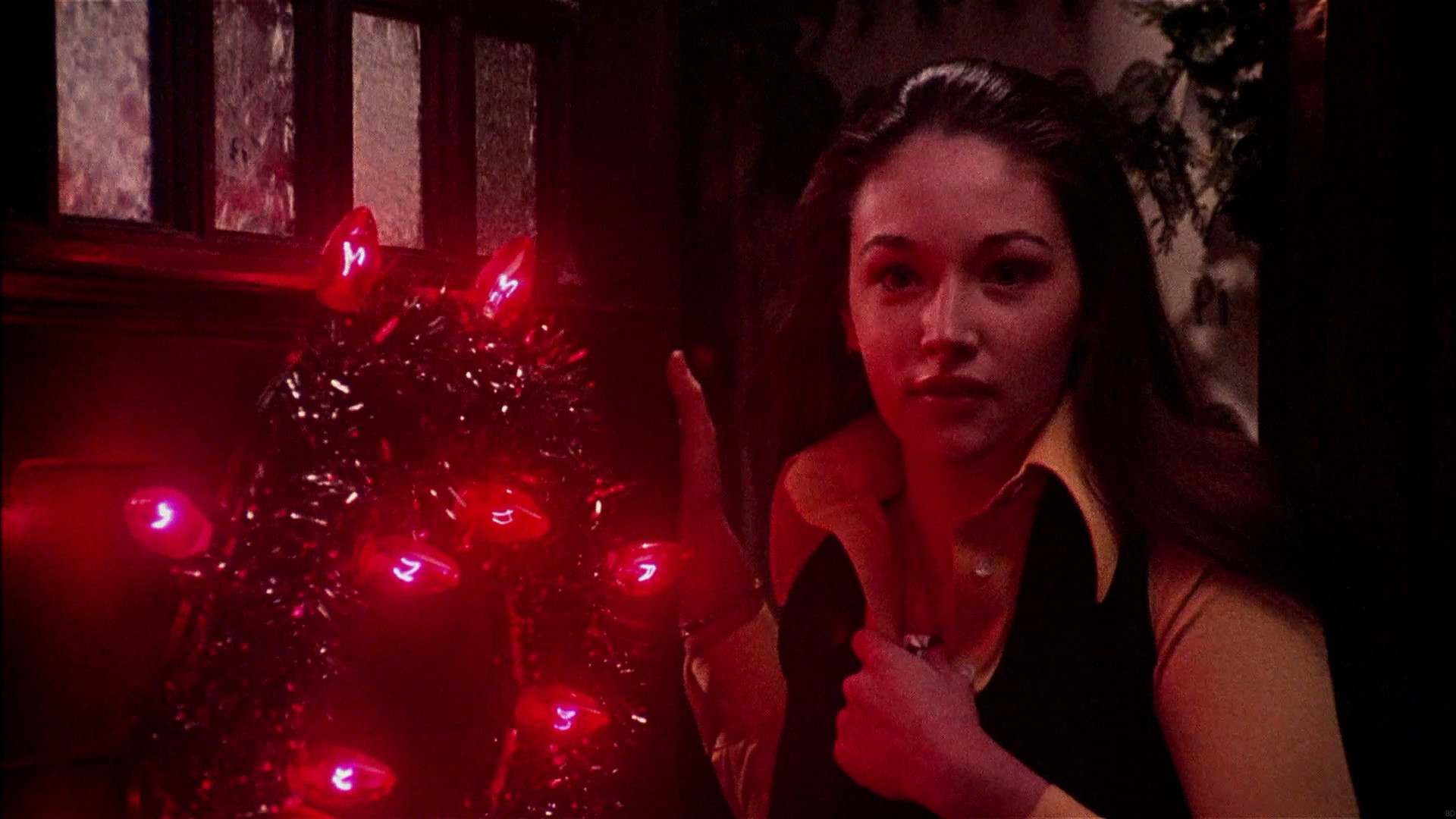
Besides its influence on slashers, Clark’s feature was way ahead of its time because of Jess’ storyline. Like Barb, she maintains and defends her sense of agency. This is most apparent regarding her abortion storyline. She informs her boyfriend Peter (Keir Dullea) that she’s pregnant but plans to seek an abortion. Peter, who studies to become a concert pianist, freaks out and demands she keep the kid. At one point, he tells her he’s going to quit school and marry her. Of course, he thinks she should drop all her plans, too. In response, Jess maintains her resolve that she’s not getting married, she plans to finish school, and she’s moving forward with the abortion.
Though Peter doesn’t kill anyone, he’s the film’s other antagonist, a threat against Jess’ agency and dreams. His response to her decision is both childish and downright unnerving. He accuses her of being selfish and complains he hasn’t been consulted regarding the abortion. It’s no surprise that Clark uses Peter as a red herring for the killer. At one point, he smashes his piano and lurks around the sorority house. He’s a menace.
Fifty years later, Black Christmas remains as effective and timely as ever. Clark and writer Roy Moore crafted fully realized female characters, especially Jess and Barb, that do their best to defend against attacks on what should be a safe female space. It goes without saying that in a post-Dobbs era, the film feels all too relevant.
Black Christmas is currently streaming for free on Tubi and Crackle. It’s also available on Peacock, Shudder, and Prime Video.

 Brian Fanelli