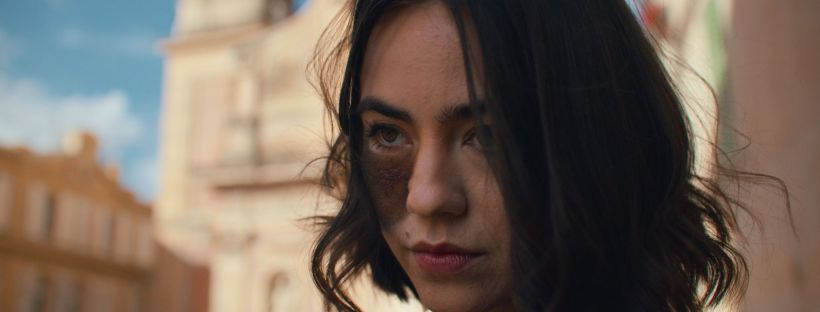
I know, I know that I’m in the minority regarding my feelings about Zach Cregger’s Resident Evil. As I write this, the movie is sitting at a 98 percent on Rotten Tomatoes. We’ll be posting our review of the film later today over at The Horror Lounge, and I suspect my views about the film will differ from our critic covering it. My main gripe with it is that the comedy constnatly undercuts the horror.
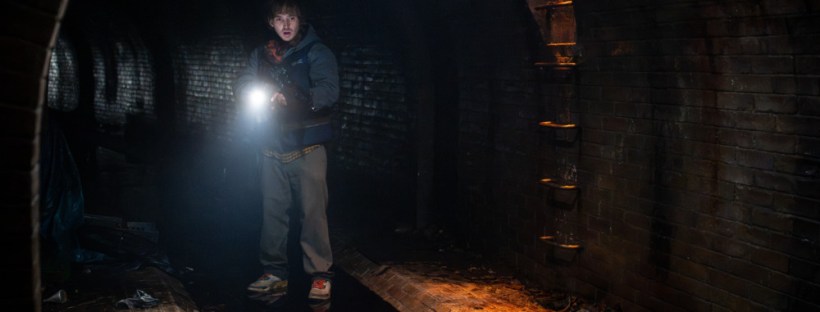
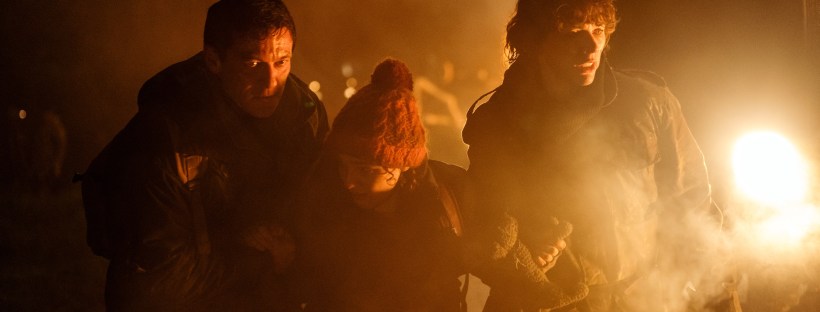
To preface all of this, let me stay I’m not a devotee of the games. The only Resident Evil games I’ve played are the first two, many, many years ago for the PlayStation, so I can’t comment upon whatever Easter eggs may be in the film or how much it differs from the games. That said, this movie is a standalone story starring Austin Abrams as everyman Bryan, a medical courier at a crossroads, and by that, I mean his girlfriend is pregnant and they’re unsure if they should keep the baby or not. This point adds some weight to the film, though it’s not fully explored and Bryan largely relays his feelings about being a dad through phone calls. It doesn’t take long until he’s sent on a delivery to Racoon City, just as the outbreak begins.
To the film’s credit, it resembles how playing a Resident Evil game feels, and by that, I mean that you’re put in Bryan’s shoes throughout the lean 90-minute runtime. There are even shots that feel and look like a first-person shooter, especially the first time Bryan encounters a zombie woman on the road, during the snowy drive to the infected city. There’s also some gorgeous nighttime cinematography and a few tense moments. Additionally, Bryan is a relatable character, and Abrams gives a breakout performance. He’s a character dropped into a situation much, much larger than himself. All he wants to do is deliver the medical package and return to his girlfriend.
The film has positives for sure, but it very much feels like a horror movie that you can get in and get out of, a fun popcorn flick without much heft or weight. I don’t know what I was expecting, but by how much people have been raving about this movie, I felt I deserved more. Maybe there’s just natural hype built up for Zach Cregger after Weapons‘ Oscar success. Compared to that film and Cregger’s first movie, the stellar Barbarian, Resident Evil feels like a step down, a film light on characterization and with way, way too many jokes that constantly undercut the horror. Sure Bryan is funny as hell, and he’s so relatable because he’s NOT a character from the game or a hero. Some of us would probably react to the snarling mutant dogs, zombies, and goopy messes the way that he does, in shock, while cracking a joke or two. That said, this film has so many jokes that it deflates the scares, and yes, I know Cregger comes from a comedy background, but with his other films, he struck the right balance. That’s just not the case here. It’s surprising that Cregger admitted recently he cut jokes out of the film, when the theatrical version feels like a non-stop punchline at the end of the world.
I don’t want to disparage anyone’s hype for Resident Evil. It’s a goopy blast at times, and a hell of a lot of fun to see with a crowd in the theater, but beyond that, there’s not much about it that resonates or sticks in the memory, unlike Barbarian or Weapons, which felt innovative, while nodding to Cregger’s clear horror influences. Additionally, the director’s previous films had jokes, but they didn’t stifle the horror.
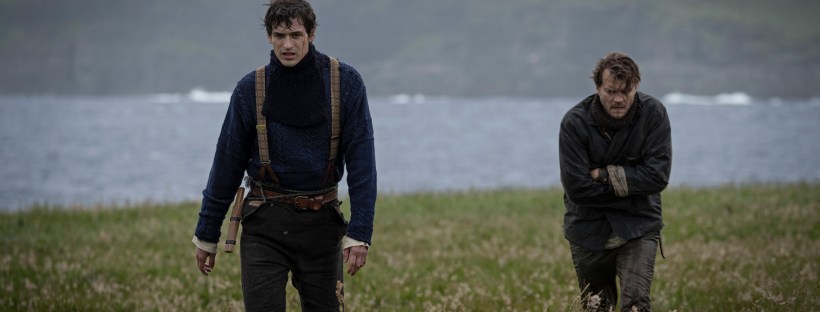
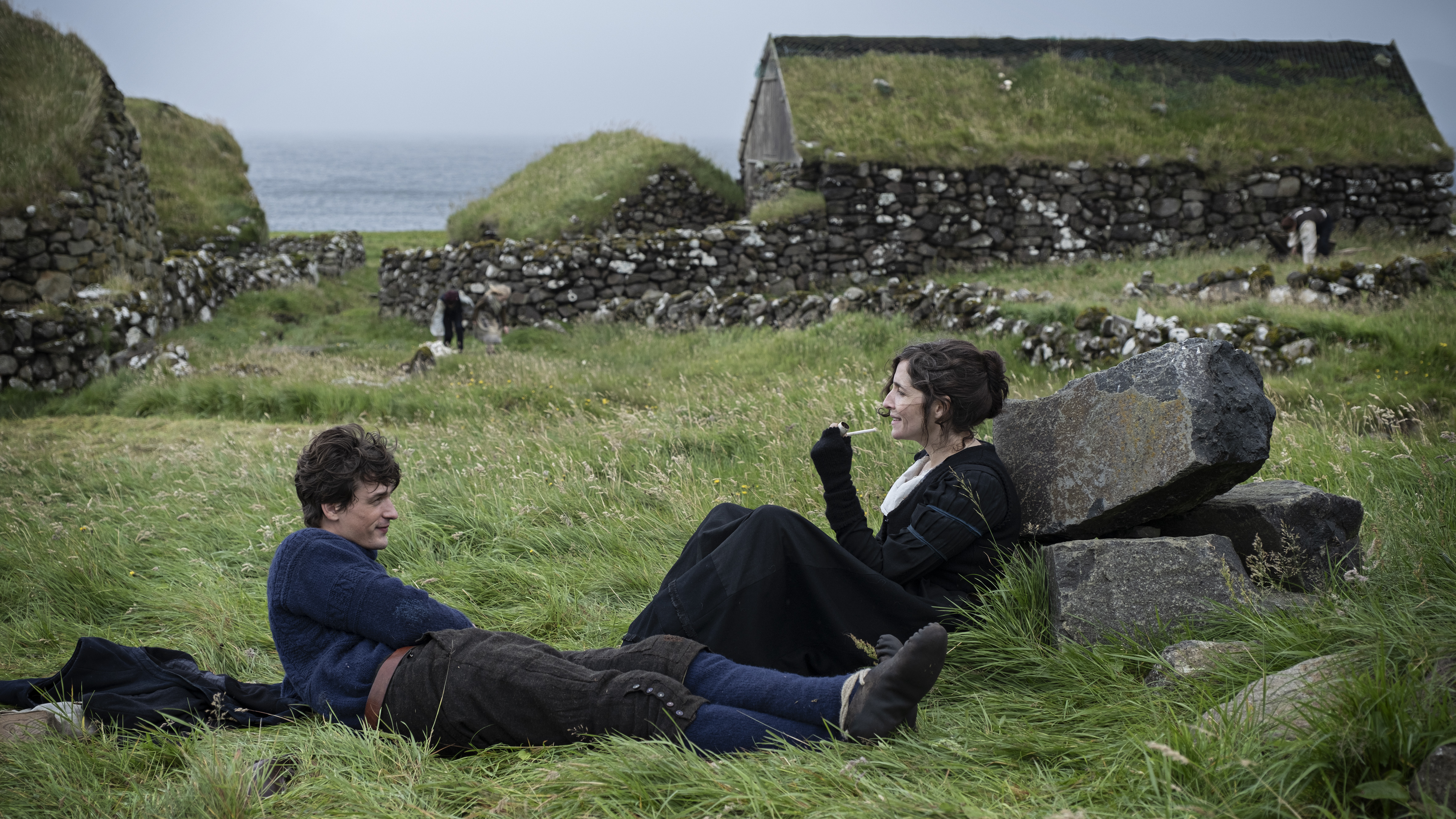
Another one of my favorite movies out of this year’s Fantasia Film Festival was No Rest of the Wicked, a queer vampire movie based on a 19th Century German story. The movie stars Egor Venned as Baldur, a young fisherman who meets a whaler named Helge (Pilou Asbaek). Initially, Baldur denies his feelings for Helge, considering the time period and Baldur’s small, conversative town on the Faroe Islands. Yet, eventually, he can’t deny what he feels, and of course, the movie has vampirism in it, too! The feature won two juried awards at Fantasia, including Best Director and Outstanding Performance (Asbeak).
I talked to Venned and Kalle for The Horror Lounge, and you can read some of the interview below.
The Horror Lounge: What was it like shooting at the Faroe Islands? The film does a great job depicting the natural beauty, yet danger of them.
Kasper Kalle: I’m not from the Faroe Islands. I’m from Denmark. For me, it was a big experience to come to the Faroe Islands and see it for the first time. I went there for the summer, and it was amazing. There was sun all week when I was there, which is rare for the Faroe Islands.
I also love using nature in my films. The landscape and nature of the Faroe Islands fit so well with the themes of the film. It’s so isolated, and the fog and mountains fit well for the mysteriousness of the film and the horror. But it was also really, really tough. The weather on the Faroe Islands can change in an instant. It was really tough, but I loved it.
Egor Venned: For me, I went back home to where I’m from. I was there three months in total, two months shooting, but I went there a month before to reconnect with my home. I was also ready for what we were going to get into with the weather. I don’t think the Danish crew were ready for all of that. [Laughs].
It’s rare for it to be sunny all the time. During some summers, you may never see the sun. That was a fun experience, those weather challenges, but we also got to shoot at all of these locations, including an old house from the 1600s that’s a museum now. We had learned about the history in school, so being able to incorporate so much of Faroese history and culture was just such a cool experience.
The Horror Lounge: Vampires have a long history of sexuality and even queerness. Can you address that aspect of the film?
Kasper Kalle: It’s based on a short story from 1884, written by the German author Karl Heinrich Ulrichs. It was written ten years before Dracula. When I read the short story, I could see the vampire theme, but it was so different. It was a vampire story but told in a different way, and I really liked that. We didn’t want it to be like all other vampire stories we’ve seen, but of course, it’s still about sexuality and love and the force within us that we can’t control. I think that’s typical for a vampire story.
The Horror Lounge: Egor, can you talk about working with Pilou and the relationship that your characters have in this film?
Egor Venned: Pilou is really loveable as a human being. He’s also just a very good actor, so acting with him is just really easy. It was my first experience acting. We had some conversations before starting and got to know each other. He took me under his wing and made everything less scary and less nerve-wracking. He said we’re here to play and we could make mistakes. Because of his easygoingness, it was a nice start. Once we got going, it didn’t feel nerve-wracking, and I got comfortable really quick.
Also, the whole team made me feel so comfortable and allowed me to just explore and give my take on it from the beginning. It all ended up working organically, especially with Pilou. Because of our chemistry in real life, we became friends really quickly. I had the best experience acting.
The Horror Lounge: Can you speak about the role of the town and the role that religion plays in the film?
Kasper Kalle: For me, it’s difficult to talk about the role of religion. When you’re from a Christian country, it’s just so deep in everything, in culture and your way of thinking. It’s so rooted in everybody. Even if you’re not actually religious, you still grew up in a religious country, and everything is based on that. For me, it’s not a critical comment on religion, but more about who we are and where we’re from. Religion is the culture.
The Horror Lounge: Baldur has quite a character arc in which he eventually accepts his feelings and who he is. Can you comment upon his character?
Egor Venned: In the beginning, speaking of religion and the conservatism of where he was from, they look at it as a dark force. Gay love is dark and scary. It’s demonic. He’s scared of it in the beginning. He has a lot of respect and love for his mom. He loves where he’s from, but at the same time, love is powerful. There’s nothing that can stop it. In the end, he needs it so bad. He’s willing to go to the length that he goes to. It’s just a story that love always wins.
Kasper Kalle: You start to think that Baldur has to go through this big development, but it comes natural to him when he falls in love. It’s actually the mother who goes through a bigger development. It’s more difficult for her to accept.
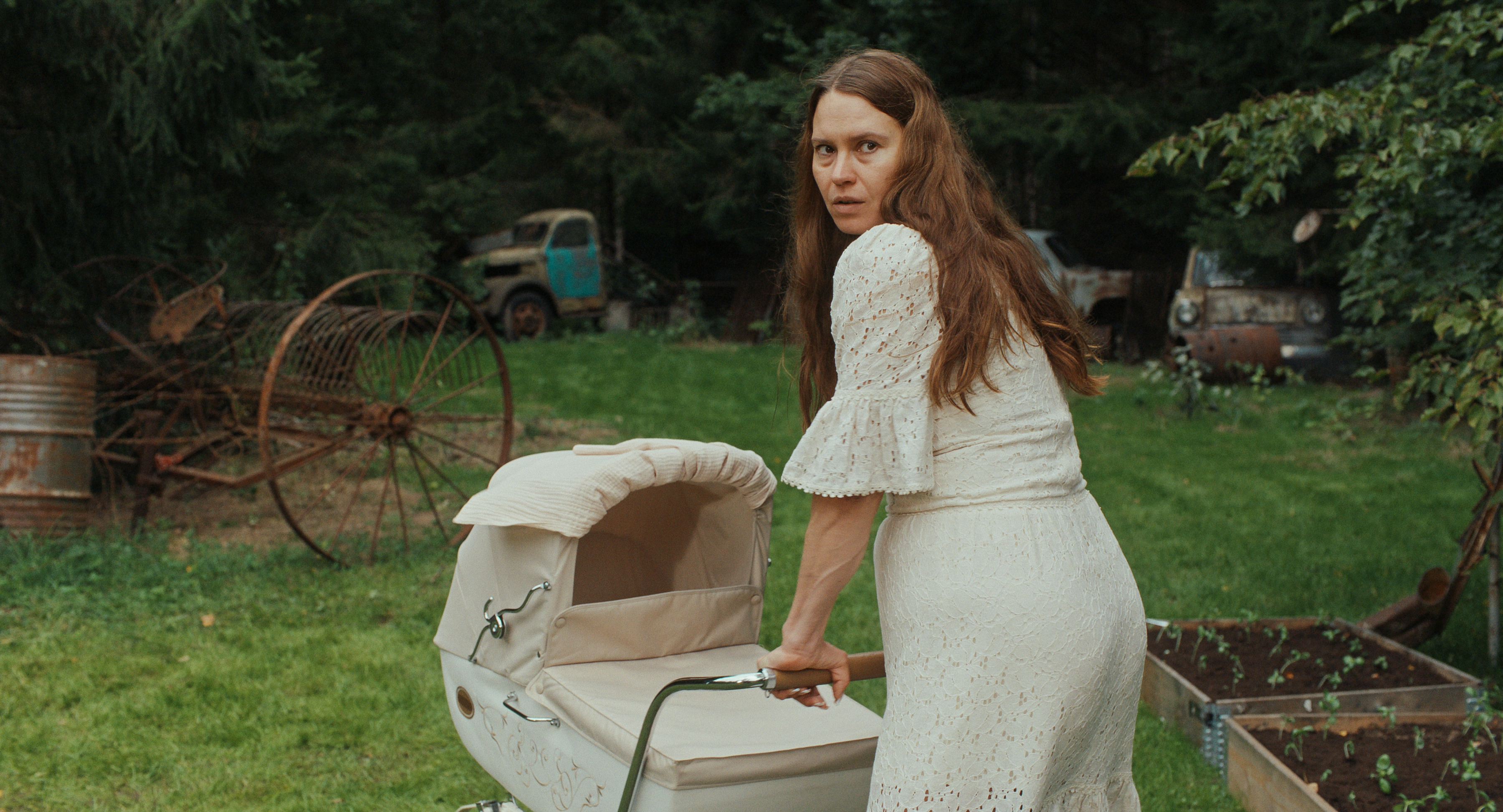
Recently, I just wrapped up another year covering the Fantasia Film Festival, and I’m grateful for such an opportunity. One of my favorite films out of this year’s fest was Nightborn, starring Seidi Haarla and Rupert Grint, who play Saga and Jon, a married couple whose baby isn’t quite…right. It’s born with excessive hair, constantly growls, and devours raw meat.
This is writer/director Hanna Bergholm’s second film, and like her first feature, Hatching, Nightborn tackles the horrors and anxieties pertaining to parenthood, only this time, it focuses on the mother’s point-of-view. I had the chance to interview Bergholm for The Horror Lounge, and I included some of that interview here.
The Horror Lounge: In both Hatching and Nightborn, motherhood is such a central theme. Can you talk about how that concept has influenced your work so far?
Hanna Bergholm: I think this kind of mother and child relationship is very interesting. You can take several stories from it because it’s the first relationship we have and a profound relationship. Hatching was told from the child’s point of view, and you can say the mother is kind of a villain in that film. With Nightborn, I wanted to tell the mother’s point of view, so that’s where it started from.
The Horror Lounge: Seidi Haarla, as Saga, undergoes quite an arc in Nightborn. Can you talk about her arc and also comment on your experience working with her?
Hanna Bergholm: I was so happy to have her in this film. She’s so good at portraying sensitivity and strength at the same time. I felt like she understood the role so well. When she first read the script, she told me thank you for being seen and heard. She also felt like these emotions are relatable, not that the character is her, but that she could relate to Saga’s emotions.
When Rupert Grint came on board, we had about ten days of rehearsals in Finland. We had a wonderful dance choreographer who choregraphed a dance for the film. Both of the actors had to get physical in the roles and get close to each other. I wanted to have this kind of physicality.
The Horror Lounge: Rupert Grint’s Jon also undergoes quite a character arc. What was it like working with him?
Hanna Bergholm: First of all, working with him was really a joy. He’s so professional and so nice and polite. It was fun to work with him. His character, Jon, is a person, from his point of view, who feels like his wife is having a very hard time and maybe losing her mind. He’s just trying to keep up the normality of the family while trying to help her. I don’t think he does anything wrong but tries his best to support his wife.
From Saga’s point of view, whatever nice and supportive things that her husband is going to do always comes out somehow in the wrong way. You might say that all of the characters mean well. Every time someone is speaking, they are kind of right in what they’re saying, but they misunderstand each other and insult each other, which sometimes happens in life.
The Horror Lounge: To that point, Saga’s mother tells her to focus on her own well-being and don’t just focus on the child and motherhood. Can you address that relationship, too?
Hanna Bergholm: Saga’s mother is the grandmother for the child, and you might think that everything she says sounds rude. I think she’s right in what she’s saying, but maybe Saga, her daughter, wants her to be softer and more maternal in a traditional sense. I also wanted to portray the taboos of being a grandmother. As a grandmother, you’re supposed to be soft and loving towards your grandchild, but what if you’re not? This film is very much about how to accept other people when they’re not what you hoped they’d be.
The Horror Lounge: Can you address some of the film’s folk horror elements and the role of nature?
Hanna Bergholm: I wanted to use some of the old Finnish folklore about creatures waiting in the forest, which were kind of old wisdom about us being part of the forest but a warning about not getting lost in the forest because there could be something scary in there.
Because this story is about a couple facing something unknown, I wanted to use this old mythology about scary creatures living in a forest.
There’s a house in the middle of the forest. The actual house is a façade that we built for the film. I wanted this film to have a style of its own, so it’s not a particular architectural era. That’s why we built the house. You might think the house resembles Saga and Jon’s relationship, how they try to fix it, but it just keeps on rotting. Saga really decorated the nursery as the ideal time she’d have with her child, complete with a beautiful looking rocking horse and porcelain dolls. I don’t even know how a baby can play with porcelain dolls. [Laughs]. It was so perfect and so beautiful that it wouldn’t even be possible to play there.
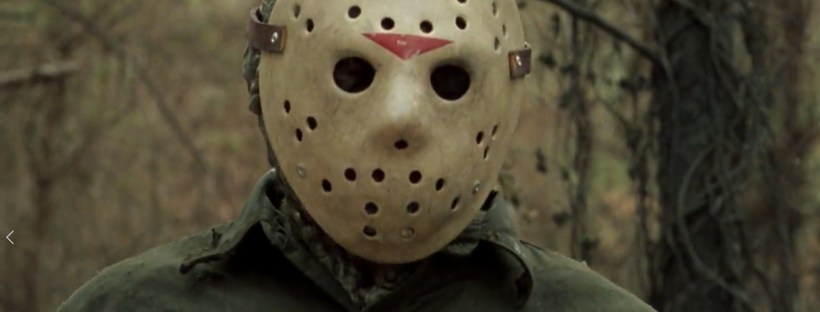
When people ask me how I got into horror, Friday the 13th Part 6: Jason Lives is a movie I often cite. It was one of the first horror movies I ever saw, and it had a self-awareness and humor that I really dug (this was a decade before Scream made meta such a thing).
This past weekend, I attended Jason Lives in Hell, sponsored by Horror / 365, a celebration of the F13 sequel’s 40th anniversary. I’m incredibly grateful for the chance to interview writer/director Tom McLoughlin and star Thom Mathews about the sequel’s enduring popularity, the future of the franchise, and the influence of the Universal Monsters on the movie’s look and zombie Jason. Read the full interview at The Horror Lounge. I included some of it below.
The Horror Lounge: Looking back 40 years, what do you remember most about the filming process and the movie as a whole?
Tom McLoughlin: It’s like one big dream. For one, we all bonded so quickly. Now, 40 years later, we’re all still friends. We text each other weekly. We do conventions, see each other, and hang out. That doesn’t usually happen with movies. We managed to keep it together. I never expected this. I thought it would play one weekend and the next weekend, it would drop off and then play a few drive-ins. There wasn’t the DVD and VHS world quite yet. It was still in its infancy.
It just keeps going. That’s probably the most amazing thing of this whole process. The rest of it was that they gave me permission to make the movie I wanted to make. It didn’t seem like that would happen. Usually, someone steps in. I was very, very lucky. Most of these things now are made by committee. You don’t know who will win the arguments.
The Horror Lounge: Thom, from your perspective, how it does it feel to celebrate the 40th anniversary of Jason Lives?
Thom Mathews: Unbelievable. You can’t predict these things. The length that it has and the franchise is amazing, including the game that came out of it. I thought it was genius that they made a game. The kids who play the game probably shouldn’t see the movie just yet, but they could play the video game and become fans. It was a genius idea from the franchise to do that.
The Horror Lounge: Can you address the influence of the Universal Monsters on Jason Lives? It creates such a different tone than other slasher movies.
Tom McLoughlin: The Universal Monsters were what I grew up watching. I wasn’t supposed to. My mother told me to turn off the TV. I collected Famous Monsters magazine. I always had to buy two because my mother would always find one and tear it up. [Laughs]. We were the offbeat, strange kids that did this. When you go to these conventions, it’s where all of these geeks come with tattoos from my movie and other people’s movies. We’re a club and a whole culture.
With Frankenstein’s Monster, Dracula, and Wolf Man, I identified with them. It wasn’t like I wanted to be a filmmaker. I wanted to be them. That love continued on. When the job came along, I wanted Frankenstein’s influence, which, of course, is the lightning bolt. I put Karloff’s Market there. I gave away where I was getting the stuff from. If you took the color out [of Jason’s Lives], it looks like an old Universal horror movie with the contrasting photography. It definitely falls into the old monster category.
The other thing I did is that we have two people with agendas. Tommy wanted to burn Jason’s body. He has a strong agenda going through the movie, while Jason is going to get this kid, and anyone who he comes across is going to get it. That’s what he is. He’s a killing machine, and now he’s unstoppable. Traditionally, that’s what the best monsters are. You can’t stop it. It’s evil. It’s driven, and it’s a force.
Those elements, I think, have really helped its longevity. You can go back and watch it because it feels like a journey.
The Horror Lounge: Thom, you’re the third actor to play Tommy following Corey Feldman and John Shepherd. What was it like to step into a role that was already established? You bring so much weight to the character.
Thom Mathews: When I got cast for the part, I did my research and watched parts 1-5, with particular interest in 4 and 5. I was replicating and continuing a character that had already been stablished. I was looking for something that John and Corey did that I could use to carry on the character. There wasn’t anything that stood out, like a physical mannerism. I did my own thing and talked to Tom a lot. I always consider myself a character actor, so that was the coolest part. I just played it straight. I listened to the story and what Tom wanted.
The Horror Lounge: Jason Lives also has a self-referential element. This was well before Scream. Can you comment on that aspect, Tom? Was it intentional in the script?
Tom McLoughlin: I didn’t want to just make a slasher movie. I didn’t want to make a movie about killing women. Also, since it was the sixth one, what else could I do? The James Bond intro is the first example of me waving my flag, saying we’re going to have fun. If you read those old Famous Monsters magazines, there was always a sense of humor. I wanted to have that element. There was nothing I was imitating. When we talk horror, we have fun with it.
I really had egg on my face years later. I was offered the script for Scream and turned it down. I thought I had already done that and didn’t want to copy myself. When I didn’t read any other good scripts, I went back to my agent and asked if the script was still available. My agent told me Wes Craven grabbed it. It became Scream and Scream is still going. It wasn’t the best creative career decision of my life, but when I met Kevin Williamson years later for a show he was doing, he told me Jason Lives had so much of an influence on Scream. You just never know. I also turned down CSI. Every so often, you make these choices and you think they’re right at the time, but in the long run, you never know.
The Horror Lounge: Thom, what was your favorite scene? The characters are so distinct.
Thom Mathews: That’s all Tom. Could you imagine Paramount coming to you and telling you they want you to direct a Friday the 13th? Jason is in it. There has to be a certain amount of kills and make a story out of it. He came up with characters that you care about. There’s a love interest and romance possibility. You got to know and like the characters. You get invested in the characters, and that’s why people responded so well. It was shot beautifully, and the soundtrack was great. C.J. did a great job. No hard feelings to Kane Hodder, but C.J. is my favorite Jason. [Laughs].
The Horror Lounge: Thom, what was it like working with C.J. as Jason and Jennifer Cooke as Megan? These are the characters that Tommy is really tied to in the movie.
Thom Mathews: Well, C.J. was the monster. We never hung out. If I saw him on the street while we were filming, I wouldn’t know who he was. I never saw him out of wardrobe, and Jennifer was just a sweetheart. We were both young and happy to have a job. She was a very strong character in the movie. It was great to work with her.
The Horror Lounge: Can you talk about how you filmed that ending in the lake and the final sequence and confrontation between Tommy and Jason?
Tom McLoughlin: It was bits and pieces to make it happen. First, we used the real lake for the wide shots and C.J. going into the lake. When Megan [Jennifer Cooke] runs and jumps, she jumps into a pad. We framed it so you don’t see that. Then, we had to go to USC [School of Cinematic Arts] in Los Angeles that had a big, Olympic-sized pool. They put black tarps around the bottom. That’s where the fight happened. In the lake, you’d never see anything. The wide shots worked. We did all of that, and when it got to the point where we had to chop into [Jason’s] head, USC did not want to put blood and gunk into their Olympic pool. Then, I called up my dad. I wouldn’t have done movies if not for him. He was a USC film student. He loved the idea, but I told him it would really mess up his filter. He was out there with his camera, shooting. He was so excited to have a movie in the backyard. That’s where we did the close-ups of the chopping up [of Jason’s head].
The Horror Lounge: If the Friday the 13th powers that be listened to you, Tom, what would you like to do with the franchise and Jason moving forward?
Tom McLoughlin: I wrote a script called Jason Never Dies. It’s 13 years after he’s been put down, under water. He has algae and moss, and he’d look different, but it’s still the same stuff. It takes place on Thanksgiving weekend. Across the lake from Camp Crystal Lake is Camp Christian Lake, which is a retreat for religious groups. I have one nun and sixteen badass Catholic girls. One is a cutter. One sells drugs, and one is a chronic masturbator. They have attitudes, and they’re a badass club. Jason comes in there with an agenda. He’s looking for someone, but we don’t know who. It does harken back to Jason Lives. I can’t sell that thing or give it away because they have all the rights now and they’re taking it in different directions. One day, I’ll find a way to get it made. It also takes place in the snow.
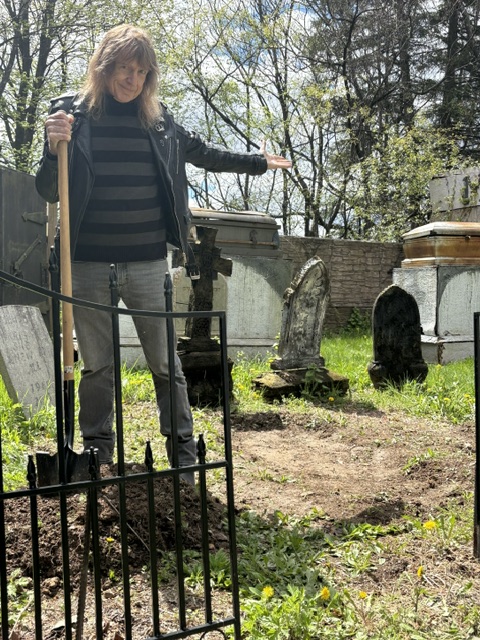
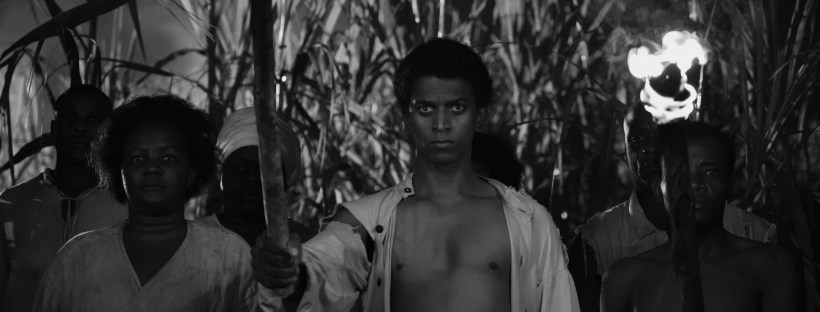
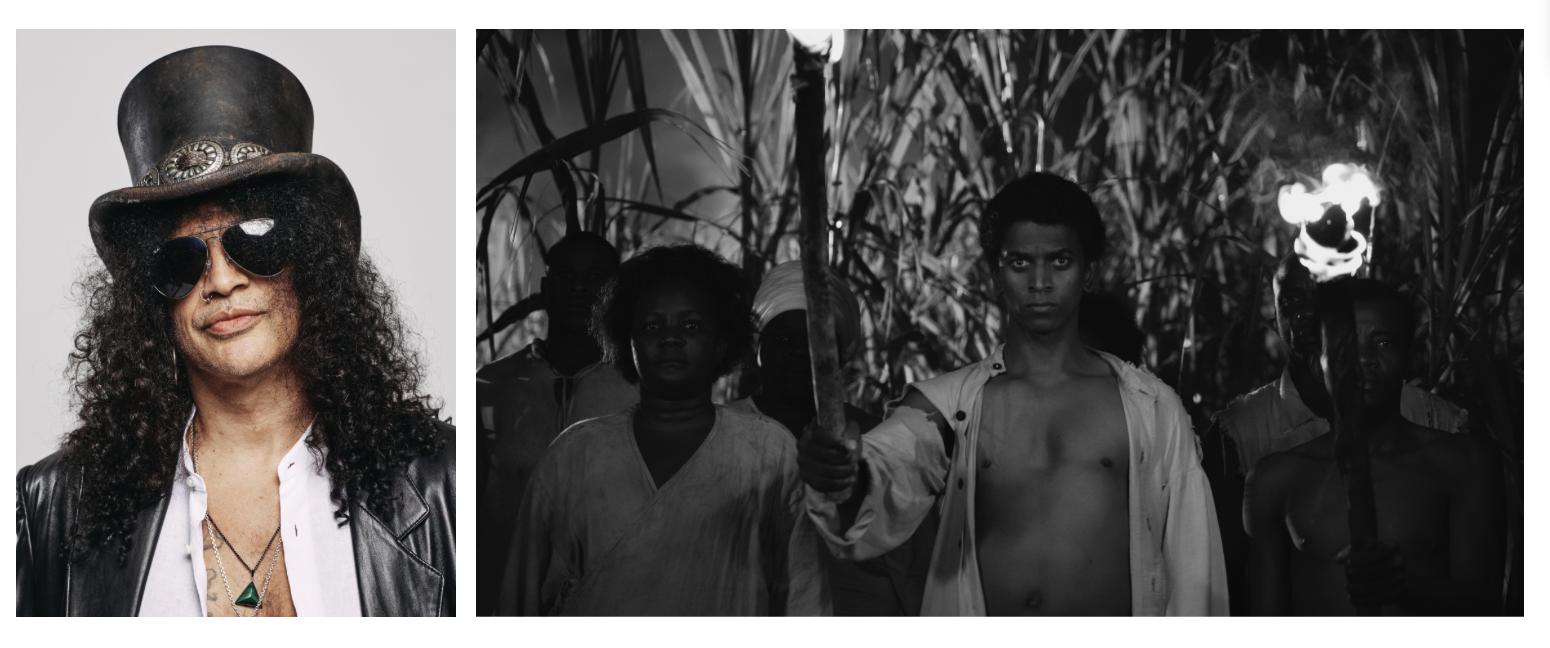
Zombies remain a persistent and popular monster within the broader horror genre. Director Maya Anna Bedward’s new documentary, Black Zombie, explores the zombie’s Haitian roots and its early depictions in Hollywood. In 90 minutes, Bedward explores the anti-colonial history of voodoo and various representations of the creature in Hollywood. Her doc includes interviews with film scholars, voodoo practitioners, and well-known figures such as Slash, who co-produced the doc, and special effects legend Tom Savini.
The documentary just premiered at South by Southwest Film Festival, and I had a chance to interview Bedward for The Horror Lounge. The interview can be read in full here, but I included some of it below.
Maya Annik Bedward:My background is that I’m Afro-Caribbean. My father was born in Jamaica. I’ve always been interested in stories that look at our history, traditions, and cultures not through a Western lens. I’m very interested in the connections to West Africa and the traditions that were taken from West Africa through the transatlantic slave trade. Often, we’re told that a lot of that history isn’t captured and has been lost. That’s just not true. You can find traces of it in our music, food, and most powerfully, in our spiritual traditions.
When I found out the zombie was a Haitian voodoo metaphor for slavery, that just blew my mind. I was shocked I didn’t know that. I had to learn more. The more I researched, the more I knew I had to tell the story. That’s the way I came at the story.
I actually wasn’t into horror at all. I’m a filmmaker and love film, but that was the genre that never really appealed to me. As I started doing research for the film, I actually fell in love with horror. I’ve been working on this film for about ten years. Through that journey, I became really interested in horror as a tool to tell really meaningful stories.
The Horror Lounge: Your film contains interviews with directors, horror scholars, and also actual voodoo practitioners. Can you talk about the importance of having that diverse array of voices in your documentary?
Maya Annik Bedward:I think that’s what makes this story so interesting is that it touches so many parts of the world. We’re in Hollywood. We’re in France. We’re in Haiti. The zombie is a global phenomenon. I think it was the nature of the story, but for me, it was important to center Haitian voices and the voices of Haitian voodoo practitioners. I wanted to start from that place.
Although a lot of people don’t know the origin story of the zombie, what has remained is the total denigration of Haitian voodoo. It’s synonymous with black magic and sorcery. That all comes from these early zombie films. I always wanted to center those voices and show voodoo in its true nature and how beautiful and healing it is.
It was a big story, so I had to go into these key places and get the right people to talk about those different points in the history of the zombie.
The Horror Lounge: Slash signed on as a producer. Talk about that relationship and what it was like working with him.
Maya Annik Bedward: I had shot quite a bit of the film before I met with Slash. I was connected to him through some other executive producers. Slash loves horror, but he’s such an iconic figure. A lot of that is his look. He’s an amazing guitar player, one of the best in the world, but he has this iconic look. It’s very much connected to the guardians of the crossroads, a huge figure in voodoo and a lot of the African spiritual traditions.
I thought he was such a great example of how we kind of know but don’t really know what voodoo is. We have these things in pop culture and nods to it. His mother is African American, and she has connection to the faith and these traditions. It was a full circle in which he had a real respect for the faith. When we approached him, he was totally game. He loved the idea and was so sweet to interview.
The Horror Lounge: Near the end of the film, a Haitian voodoo practitioner expresses reservations about the documentary because he says in the past, interviews have been used to again foster negative stereotypes about the Haitian people and voodoo more generally. Can you talk about that interaction with him?
Maya Annik Bedward:I was very concerned whether I was representing voodoo properly. I’ve been very interested in African-derived religions. I spent a lot of time in Brazil learning, but I’m not a voodoo practitioner at all. There’s been so much harm done by people coming in, taking these stories, and telling them. I wanted to be really sure I wasn’t re-perpetuating that.
When I asked him a question, I wanted a really honest answer. He had his reservations, and I thought that was important. I am a creator behind the scenes, making decisions. There’s never going to be anything that’s fully objective. It’s about your intention and what you’re trying to do. I wondered if I was making the right decision. I thought it was important to pull back the curtain and show that it’s a film, process, and story inspired by some of the stories I read about the Haitian voodoo zombie.
The Horror Lounge: Why do you think the zombie remains so persistent in popular culture?
Maya Annik Bedward: I think people like zombies because in the more modern zombie film, it creates this post-apocalyptic world. It’s often a contagion. It’s reminiscent of what we went through with the pandemic. It addresses a lot of parallels and fears in our modern life.
A lot of people say they’re nothing like the Haitian zombie, but if you think about the transatlantic slave trade and people who were brutalized and forced to work in the fields, for them, that was an apocalypse. I think that’s why that story is still connected to the zombie today. People just don’t look at it through that lens of the diaspora and what happened to our ancestors.
That’s my guess, and it’s only a theory. [Laughs].
I was fortunate enough to review movies again this year for Sundance 2026. While I didn’t watch as many films compared to other years (mostly due to the fact my spring semester started the same week as Sundance and we also had a giant snowstorm), I still saw plenty of cool films. Here are some of my favorites, with links to the reviews.
Rock Springs
Rock Springs is a harrowing and sobering ghost story that was a Midnight feature. It’s based upon the Rock Springs Massacre of 1885 in which 28 Chinese immigrant miners were killed by white European immigrants, who feared the Chinese immigrants were taking their jobs. Sound familiar?
The movie isn’t told in chronological order, and it begins by following the young Gracie (Aria Kim), who moves with her family to Rock Springs. The movie then shifts to the late 19th Century and eventually shows the massacre. Another standout here is Kelly Marie Tran’s performance as Gracie’s mother. She’s tough and resilient.
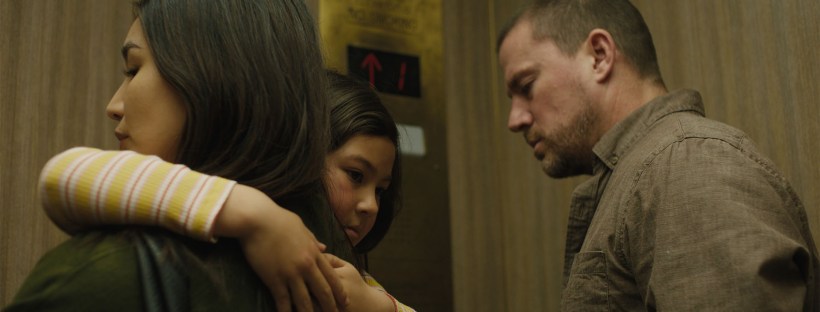
Every year, Sundance has that one film that people can’t stop talking about. This year, it was Josephine, from writer/director Beth de Araújo (Soft and Quiet). This movie follows 8-year-old Josephine (Mason Reeves) who witnesses a rape in Golden Gate Park and then deals with the aftermath of it for entirety of the runtime. She sees and imagines the rapist (Philip Ettinger) everywhere, even in her new bedroom once her family moves. Reeves is really good in this, as are Channing Tatum as her father and Gemma Chan as her mom. Josephine is a gut punch of a movie and my favorite from this year’s festival. Really powerful and harrowing stuff. This is a movie about finding the courage to slay the monsters.
Even though I already wrote my review, I’m still unsure what I think about Night Nurse. it feels like it belongs in the 1990s as a late-night erotic thriller. Yet its retirement community setting also thwarts a viewer’s expectations about what’s to come. There’s also a weird subplot about scam phone calls. Still, Cemre Paksoy, who plays the young and idealistic caregiver Eleni, gives a strong performance as the lead. The same could be said for Bruce McKenzie, who plays the much older Douglas and the source of Eleni’s infatuation. In short, Night Nurse is a very strange psychosexual thriller.
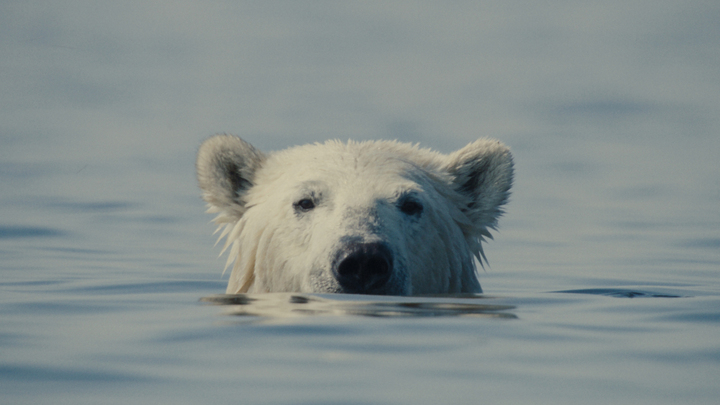
Oh man, Nuisance Bear really hit me in the feels. It’s an A24-produced documentary about a polar bear whose habit has drastically changed, due to climate change. The bear needs to remain on land for a greater period of time because the ice takes longer arrive following spring and summer. Meanwhile, tourists keep taking photos of the creature, and there’s just something so alarming and devastating about the scenes, specially coupled with the unnamed Inuit narrator’s poetic and thoughtful commentary. This is must-see and quite different from other nature documentaries.
Next to Josephine, Bedford Park, which was just acquired by Sony Pictures, was my other favorite Sundance watch this year. It’s a movie about two Korean Americans who find each other through very unlikely circumstances. This is also a movie focused on working and middle-class people, and it never strays from that. Yet, it also has some really, really beautiful moments. Go see Bedford Park when it eventually hits theaters. It’s a heck of a debut from writer/director Stephanie Ahn.
Ghost in the Machine is a documentary about AI, but not the sort of AI documentary you’d expect it to be. Instead, it’s about how the theories behind AI came from eugenics philosophy and some pro-eugenics thinkers. The movie also digs deep into the insidious beginnings of Silicon Valley. This documentary does have some flaws and tries to do a lot in under two hours, but it’s still worth a watch and pretty eye-opening.
Public Access (Really cool documentary about the start of the public access station Manhattan Cable. It also includes some great queer history, but this probably would have been better as a multi-part series).
The Huntress (Pretty strong revenge thriller about disappeared Latin American women).
The Best Summer (90s alt rock fans should dig this one for the concert footage and behind-the-scenes B roll with the Beastie Boys, Bikini Kill, very early Foo Fighters, Rancid, and lots more).
Prime (Really freakin’ gnarly short film! This deserves to be a feature-length movie).
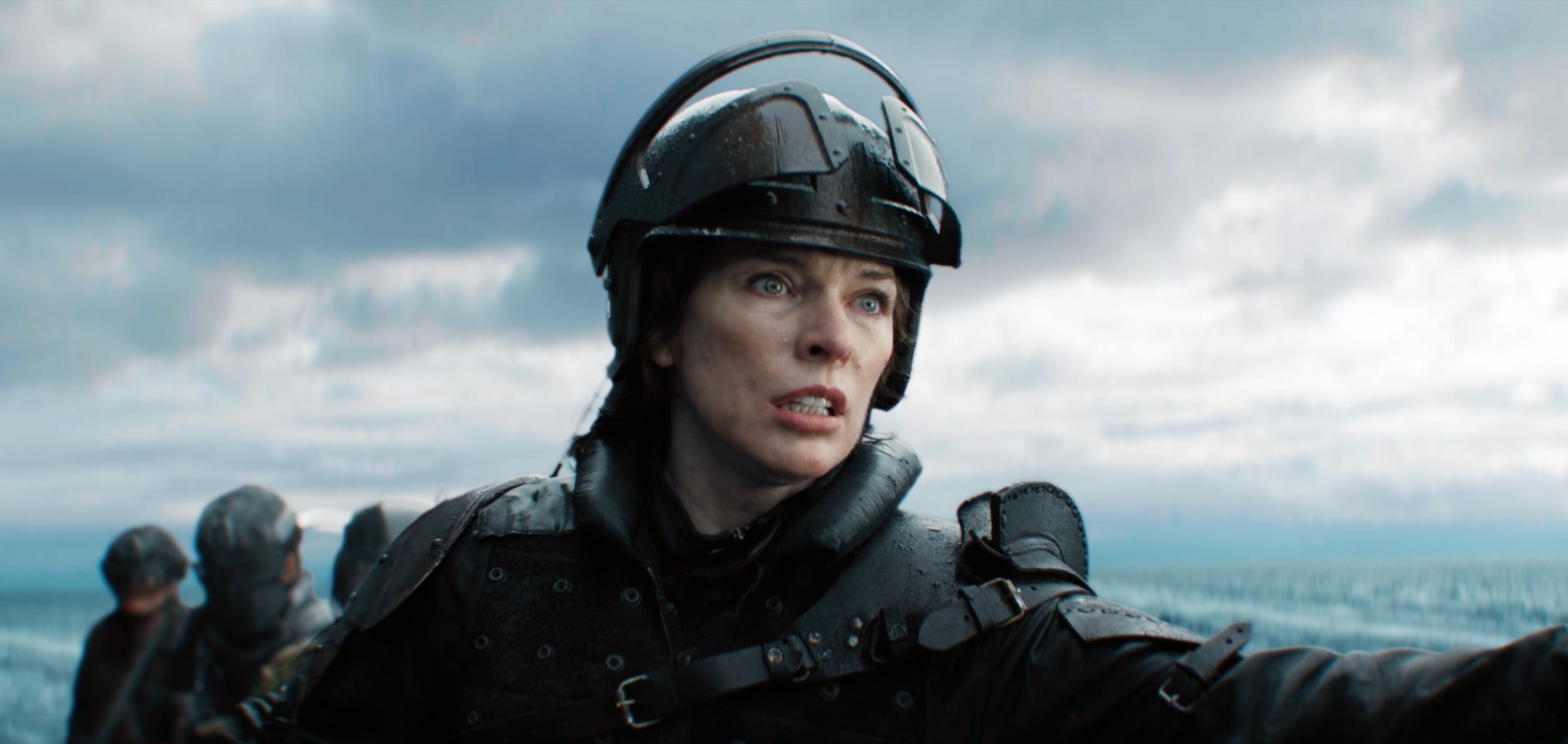
For The Horror Lounge, I interviewed director Brad Anderson about his latest film Worldbreaker, a post-apocalyptic movie starring Luke Evans and Milla Jovovich. You can read the full interview here. I included some of it below. Worldbreaker hits theaters tomorrow.
The Horror Lounge:You have a long filmography. What made you want to return to the horror genre for Worldbreaker?
Brad Anderson: I genre hop, I guess, maybe that’s the way to put it in terms of the kinds of movies I’ve done. My first few films were romantic comedies. They weren’t anything in the horror department. Then, I did Session 9, which was me wanting to embrace my darker angels and darker side. From that point on, I’ve been drawn to darker stories, but darker stories that have some kind of heart to them. In Worldbreaker, it has the genre tropes, like the monster moments, the thrills, scares, and moments of dread and suspense, but it also has at its heart, this relationship between a father and daughter and this idea of a parent trying to keep his child safe in a world that’s falling apart. As a father myself and parent, that appeals to me more and more. It’s not just thrills for the sake of thrills. You want to hope and care for these characters.
That’s what resonated with me in Josh’s [Rollins] script. I was moved when I read it. It was creepy and I loved the monster element. I hadn’t really done a creature feature, per say, so doing something like that was fun, but the thing that really made it stick for me was the relationship between the dad and Willa. I just liked that and the combination of genre, drama, and emotion. They all have to mesh together, and it did.
It’s also a world that’s not quite our own. It’s some kind of quasi-near future, or maybe alternative reality world. The warriors use swords and use armor, but they have guns. It’s a strange mix that I thought was interesting. It’s a little original in that respect, and I was intrigued. It’s not like The Last of Us, but somewhere in a different world.
My next movie could be something totally different. I like to keep myself engaged and not always feel like I’m doing the same thing, even if it’s the same genre.
The Horror Lounge:At the beginning of the movie, we get some background information about how the world ended up in its current situation. Climate change and war are mentioned. I thought that aspect of the movie felt relevant for the present moment. When you filmed this, did you find that aspect at all relevant?
Brad Anderson:I like the mythology of the story and how the world breaks. In the beginning, we’re told that the world broke throughout the course of history, for various reasons. Sometimes, it’s a climatic catastrophe or a human-related catastrophe. I like that idea that’s at the core of it. It does feel relevant. The reason these post-apocalyptic stories are so popular among audiences is because people like to dwell on it. They have a weird, morbid curiosity. How will it all end? Some of that was woven into the story to give a bit of context, and it does feel topical. I think that was on purpose, to a degree.
The idea that some creature would be unleashed because of our stupidity as a species or our short-sightedness is interesting, too. It’s like payback in a way. Josh teed all of that up in the script.
It’s also a story about storytelling. The movie opens with the dad telling his daughter about how the world broke and how we have to find our heroes in order to save the world. Then, Willa ends up telling stories to another character about how to find your heroes. It’s almost about the power of storytelling being able to give us hope, strength, and faith in ourselves and the future. It’s a story in a story in a way.
The Horror Lounge: The setting is another aspect of this film that really stood out to me. What was it like shooting in Ireland?
Brad Anderson:We shot it in Belfast and in Northern Ireland, north of Belfast, along the coast. It’s super dramatic. It’s beautiful beyond belief. You can’t really go wrong. You can just put a camera on a tripod and it’s amazing. We wanted those big epic landscapes. We also wanted landscapes that weren’t lush but were a little dark and spare. They’re on an island in our story as a way to survive. It’s still a place that’s not Eden. It’s not this lush garden. It’s still a struggle to survive. Northern Ireland has a lot of that. It’s barren. It matched the world we tried to create for those sequences.
This is why the whole AI thing worries me and the idea of not going on location anymore. Whenever you’re on a location, it informs the actors and informs the scenes. You react to real things. It injects the scenes with the world around it. For that reason, shooting there was ideal. It gave our actors something to play off of, the dramatic, dark, epic landscapes.
The Horror Lounge: We’re used to seeing Milla Jovovich in an action role from the Resident Evil movies. What was it like working with her on set? She’s quite fierce in this.
Brad Anderson: She was great. We sort of tried to co-opt a bit of her Resident Evil vibe, but also show her as a mother, a mother who will fight for her family, who’s fierce and strong. Milla herself is a mother, and I think maybe that’s part of what drew her to this, the idea of being a heroine, but also being part of this family and the mother to this child that she’ll do anything to protect. It’s not just about saving the world, but it’s about saving her daughter. I think she personally responded to this. She brings the realism of being a warrior, but she also brought the poignancy of being a mother.
After years of writing for various websites and publications, I, along with Carla Davis, my former editor at 1428 Elm, launched The Horror Lounge! The site will feature horror news, reviews, lists, deep dives, and more. We’re fortunate to already have a small team of writers in place who have started helping with our coverage. For the most part, we plan to post at least one new article daily, and so far, we’ve been sticking to that. So if you’re into horror, make sure to check the site frequently. We also have a Facebook page, which can be accessed here. We’ll slowly spread out on other social media platforms, too.
In the meantime, I’ll continue utilizing this blog and posting some articles from The Horror Lounge, or other writings. I hope that everyone has a fantastic 2026!
Writer/director Kurtis David Harder’s 2023 film Influencer is a tight thriller with a dose of social commentary. His sequel, Influencers, is much broader in scope, especially regarding its characterization, commentary, and the overall stakes. It’s rare for a sequel to match the original, but Influencers breaks the mold in that regard. Though the film has some flaws, it’s an entertaining romp that leads to a knock-down, drag-out finale.
At the end of Influencer, the villain, CW (Cassandra Naud), was left for dead on an island, while Madison (Emily Tennant) barely escaped. The sequel picks up a few years later. CW somehow survived and moved to southern France. She masks her past, tries to bury her homicidal tendencies, and falls in love with Diane (Lisa Delamar). Initially, CW succeeds in starting over. That all changes, however, when Diane and CW meet a British influencer named Charlotte, played by Georgina Campbell, at a posh resort. CW doesn’t like the attention Charlotte bestows upon Diane, and well, anyone who has seen the first film likely knows that CW can’t subdue her murderous impulses for too long.
Madison, meanwhile, was arrested by police in Thailand and blamed for the murders that CW committed. Eventually, she, too, tries to start over and buries her online persona. However, that doesn’t stop the harassment or stalking. She’s even questioned about the murders on a true crime podcast. Madison just can’t quite clear her name or escape her past. Eventually, she realizes that CW survived and tracks her to France to finish things off once and for all.
In the meantime, there’s another subplot regarding a right-wing bro influencer, Jacob (Jonathan Whitesell), and his girlfriend, Ariana (Veronica Long). It’s she who tells Jacob that he has to be more radical online to drive likes and subscribers. It’s a bit of a half-baked commentary on the rise of the Joe Rogan-type podcasters and the white male insecurity and radicalization crisis. Eventually, Jacob and Ariana get swept up in Madison and CW’s crossfire.
It can’t be understated just how damn good Naud is once again as CW. She’s makes for a sly and cunning villain. But in the sequel, she’s given far more backstory, and for the most part, the film is shown from her perspective. In this film, CW has grown far more savvy, utilizing all sorts of technology and tracking to avoid culpability for her previous actions and to keep tabs on Madison. Tennant’s Maidson, on the other hand, is far more vulnerable this time around, facing increased online backlash, before developing a steely determination to stop CW.
One of the film’s major flaws is the suspension of disbelief it requires. For instance, it’s never stated how exactly CW escaped the island in the first place. There’s no plausible explanation for it, and it’s a gaping hole that the script never fills. At one point, Diane asks CW about it, but CW skirts around the answer. It’s simply a little too unbelievable. Additionally, though the film touches upon the explosive rise of far-right bro influencers, not enough is done with this, despite Jacob and Ariana’s storyline.
That said, the film reaches an explosive conclusion and a bloody showdown between CW and Madison. It’s one hell of a payoff, too. There’s also potential here for yet another sequel. Maybe a trilogy? I wouldn’t mind seeing that. Overall, Influencers maintains the tension of the first film, while pushing the characterization deeper. There are some major plot holes, but still, this is a worthy follow-up that addresses the pressure of influencer culture, before arriving at a fisticuffs finale.
Influencers will stream on Shudder beginning December 12.
Something sinister is afoot in the small town of Larkin, Texas, and popular YouTuber Lucas Page (William Magnunson) is determined to unravel the eerie mystery. That’s the general premise of co-directors/writers Paul Gandersman and Peter S. Hall’s feature debut Man Finds Tape, a film that combines found footage, mockumentary, and even cosmic horror. For a first film, the directors crafted an unsettling narrative, and though the movie is a bit uneven overall, it’s worth the ride.
Early in the film, we learn that Lucas found a tape with his name on it after cleaning out his parents’ home and old barn. It should be noted that his parents died of a mysterious illness, but prior to that, they passed on their love of filmmaking to Lucas and his sister, Lynn (Kelsey Pribilski). The tape shows a stranger entering Lucas’ childhood bedroom. It’s a hair-raising sequence that drives the rest of the film and leads to a much larger plot. Lucas wants to discover who the heck the stranger is, and he consistently enlists the help of Lynn to unravel the mystery, though she’s reluctant at first. The popularity of Lucas’ YouTube channel, Man Finds Tape, earned Lynn unwanted attention. Lucas made a name for himself by showing graphic videos.
For the most part, the film is shot in a mockumentary style, with Lynn handling most of the voiceovers and narration. The feature shifts to found footage and analog when Lucas or Lynn show off what they’ve filmed or what they’ve discovered on older tapes, like the recording of the stranger entering Lucas’ bedroom when he was a kid. These grainy videos avoid the shaky, handheld effects of other found footage movies, most notably The Blair Witch Project. The old tapes also show everything, and I mean everything. They don’t cut away. There’s one video Lucas constantly shows on his channel of a van running over and killing a person
By the halfway point, Lucas and Lynn draw a connection between the stranger, played by Brian Villalobos, and Reverand Endicott Carr (John Gholson). For years, the reverend hosted a public access, faith-based TV show. Lucas and Lynn’s parents filmed the show for a while. During parts of his taped sermons, viewers, including Lucas, nod off. The feature does a stellar job keeping the viewer in the dark until the last act about who’s responsible for what’s going on in the town. It’s not clear if the stranger or the reverend is part of some larger diabolical plan to control the town and infect its residents.
The constant shifts between mockumentary-style filmmaking and found footage can be a little bit jarring, and the film’s ultimate explanation doesn’t quite land, including a convoluted plot regarding Lucas’ ex-girlfriend, Wendy (Nell Kessler). That said, the final 30 minutes feature some impressive special effects and veer into cosmic horror territory. Meanwhile, Pribilski and Magnunson’s performances really sell the film, especially when the premise grows more and more bonkers. Pribilski’s character is not quite the believer that Magnunson’s Lucas is, and the dynamic between the two characters strikes some conflict early on.
The film also touches briefly on internet fame and YouTube influencers, especially within the first 20 minutes. The more Lucas’ channel grows in likes and subscribers, the harder it is on his mental health. It even has ramifications that affect Lynn, since it brings her unwanted notoriety, including people filming her on the street. That said, a lot more could have been done with this premise.
Man Finds Tape, though uneven at times, is still an impressive feature debut from Gandersman and Hall. If you like found footage or cosmic horror, this is definitely worth a watch. It’s a slow-burn mystery that eventually evolves into an otherworldly nightmare.
Man Finds Tape is now playing in limited theaters and available on VOD.