
Subscribe to continue reading
Subscribe to get access to the rest of this post and other subscriber-only content.
Subscribe to get access to the rest of this post and other subscriber-only content.
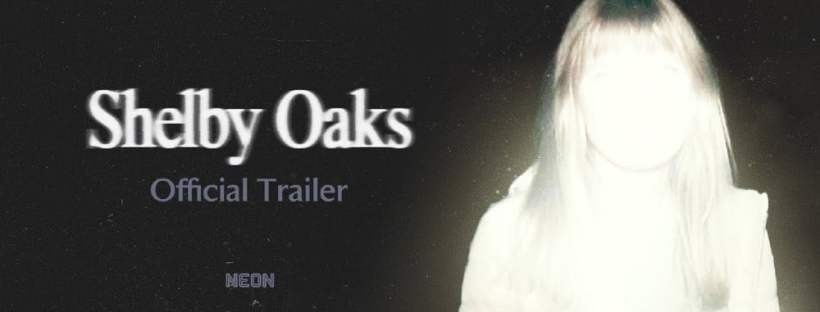
Chris Stuckmann built a fan base over the years as a YouTube horror critic. He also used a Kickstarter campaign to raise money for his debut horror feature, Shelby Oaks. Because of the impressive fundraising campaign and Stuckmann’s built-in fan base, Shelby Oaks earned buzz almost from the get-go, to the point NEON scooped it up for distribution.
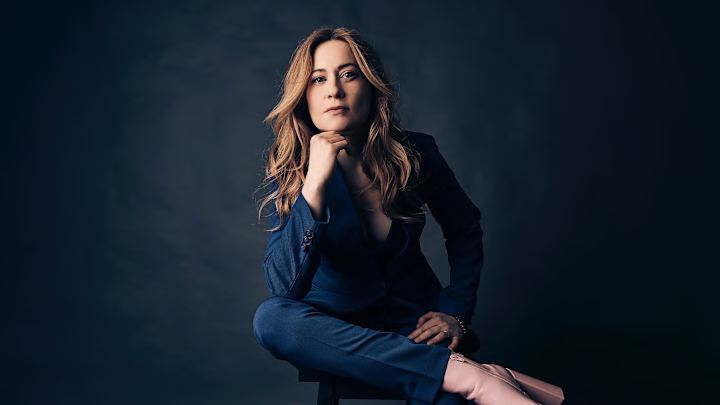
Prior to the film’s October 24 release in theaters, I had the chance to chat with one of its lead actresses, Camille Sullivan, who plays Mia, a character reeling from the eerie disappearance of her sister, Riley (Sarah Durn). Shelby Oaks combines found footage, mockumentary-style filmmaking, and juxtaposes old YouTube videos, online discussion posts, and grainy footage to tell a missing person story. The film also has a LOT of narrative twists and will likely generate discussion once it’s out. This is the type of movie to see in a packed theater during opening weekend.
You can read my full interview with Sullivan over at 1428 Elm, but I included some of it here.
Camille, what, in particular, drew you to the role of Mia?
Camille Sullivan: When I first read the script, I was really drawn to the relationship between the two sisters and the way that Riley’s disappearance has affected Mia and the weight she carries with her through her whole life and how that’s affected her relationship to her husband and how that’s affected all of her choices. She can’t move on from it. I thought that was an interesting place to start a character.
Can you comment more on Mia’s relationship with her missing sister, Riley, and how that drives the film’s initial narrative?
Camille Sullivan: The bond between the two sisters is so strong. The movie is set up so they lost their mother and there is no father in the picture. They were each other’s family. I have two sisters, and I’m very close to them. The love was easy.
There’s a really chilling scene where Mia comes across a tape showing the minute Riley disappears and the man responsible. As viewers, we see the tape and Mia’s reaction to it. How did you prepare for that sequence and did you also watch the tape in real time?
Camille Sullivan: From an actor’s perspective, the way we filmed it was perfect. Chris set it up so that I had the real tape from start to finish. It was a 15-minute take, and I could just watch it. I had not seen it before. I think we only did one take, and we switched angles so I could do a couple of pick-ups. I was able to just really take it in in real time, and then they were able to pull out the moments. This was really a dream.
Can you comment on the film’s narrative structure? The film is told through old tapes and YouTube videos featuring Riley, online discussion posts, and Mia’s commentary in front of the camera, almost like a mockumentary at times.
Camille Sullivan: It was really fun, actually. The way I look at Mia is that she starts us in this one place, and then her life cracks open. Something changes for her. Then, she gets to take off in an entirely new direction. It’s almost a renewal of hope. For me, as an actor, that helped me with the changes in different styles. For me, the changes in style seemed natural because I could follow the flow of story.
The film takes another turn in the last act where it veers into a totally different direction. Without spoiling anything, what was your reaction to those additional narrative turns and some of those creepy set designs?
Camille Sullivan: The set designs were amazing. We shot, during that last section, in a warehouse at night. It was completely dark in there. I was feeling pretty beaten down at that point in time. [Laughs]. It was sort of perfect for the script. It just takes off again in a whole new direction, something unexpected. The secret that Mia uncovers is something that the audience uncovers at the same time. It’s not at all what you expect.
What was it like working with Chris Stuckmann, and did you give him any tips or advice, since it’s his first film?
Camille Sullivan: I really like working with first-time directors. It’s their baby, so all of their heart is in it. I love it, and that’s how I like to approach a film, too. We were able to collaborate. He knew exactly what he wanted, and he was super prepared. However, on the day, if I had ideas, he was really open to them. We had good conversations. Sometimes, things would change a little, or maybe they wouldn’t. The dialogue was there back and forth. He’s a really generous director.
How did you prepare for the role of Mia?
Camille Sullivan: I did a little research on people who had loved ones go missing. There’s quite a bit out there, and it’s heartbreaking when you really delve into it. There’s a very good documentary called Who Took Johnny about this child who goes missing. I started with that place of realism because I figured, if you’re on the path to find your loved ones, anything that comes at you, you keep moving forward. Nothing can stop you, no matter how crazy or dangerous. I knew that if Mia had that focus the whole time, it would be believable.
Is there anything else you’d like to add?
Camille Sullivan: I just want to give a shoutout to the locations. We shot at some really cool places in Ohio, including the Shawshank Redemption prison. It was fun. We were in there at night. I was wandering around, looking for ghosts. I thought I found one.
Can you talk about that more, specifically your search for ghosts?
Camille Sullivan. I did a scene where I was running into the darkness. I heard a little voice go, “No, no, no.” I asked if someone was there. I heard someone say, “It’s just me.” That wasn’t reassuring. It was terrifying. It turns out, it was one of the PAs. For like 30 minutes, I told people I saw a ghost. [Laughs].
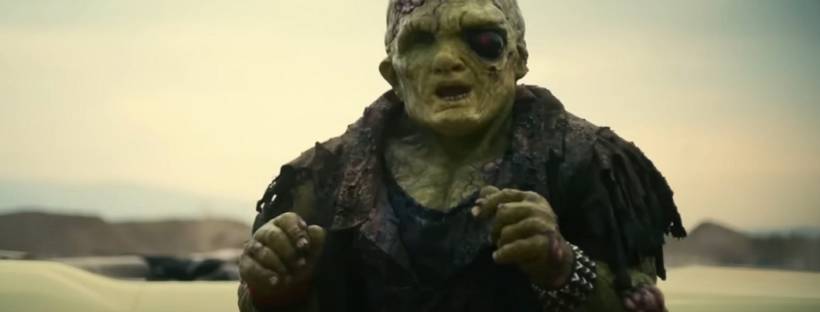
The Toxic Avenger is undoubtedly a cult classic that built Troma Entertainment into an indie horror powerhouse. It also spawned sequels, toys, and even a cartoon. Instead of remaking the film beat by beat, writer/director Macon Blair added to the general narrative. Peter Dinklage stars as Winston Gooze, whose terminal diagnosis and lack of comprehensive health insurance only further strains his relationship with his foster son, Wade, played by Jacob Tremblay.
Once Winston turns into Toxie, he goes toe to toe, in a tutu and with a toxic mop, against punks, weirdos, and street gangs, but most of all against a corrupt company, led by a malicious CEO played by Kevin Bacon. Blair’s remake has some dazzling set designs, a bigger budget, and lots of nods to Troma, including a cameo by its CEO and co-founder, Lloyd Kaufman.
I recently interviewed Blair for 1428 Elm about the challenges of remaking such a beloved film, working with Dinklage, and receiving Kaufman’s blessing. You can read the full interview here, but I included some of it below. Following its recent theatrical release, The Toxic Avenger is currently available on VOD and will see a physical media release on Oct. 28.
What made you want to remake such a cult classic and what would you say to Troma fans that may be skeptical because they love the original Toxic Avenger so much?
Macon Blair: It was something that the studio approached me with to write the script. I did have to think about it for probably the same reasons I’d say to the fans. The original is so singular, and it’s so its own thing. What would the new version be? I was hesitant that they would maybe ask for a PG-13 version or a dark and gritty version.
I ultimately went in and went through the process of pitching the script with the idea that the way to approach it was to find what was special and singular about the original. To me, that’s about tone and a sense of humor more than plot points. It’s a dude in a tutu fighting bullies with a mop. It’s silly and sweet and fun. It doesn’t take itself too seriously.
I feel like it’s not going to please everyone, but my hope was to make something that the fans of the original would be seen first. Hopefully, beyond that, we attract a larger audience, but I really wanted to make sure the original Troma fans would feel like the spirit, fun, and sweetness of the original was something we preserved.
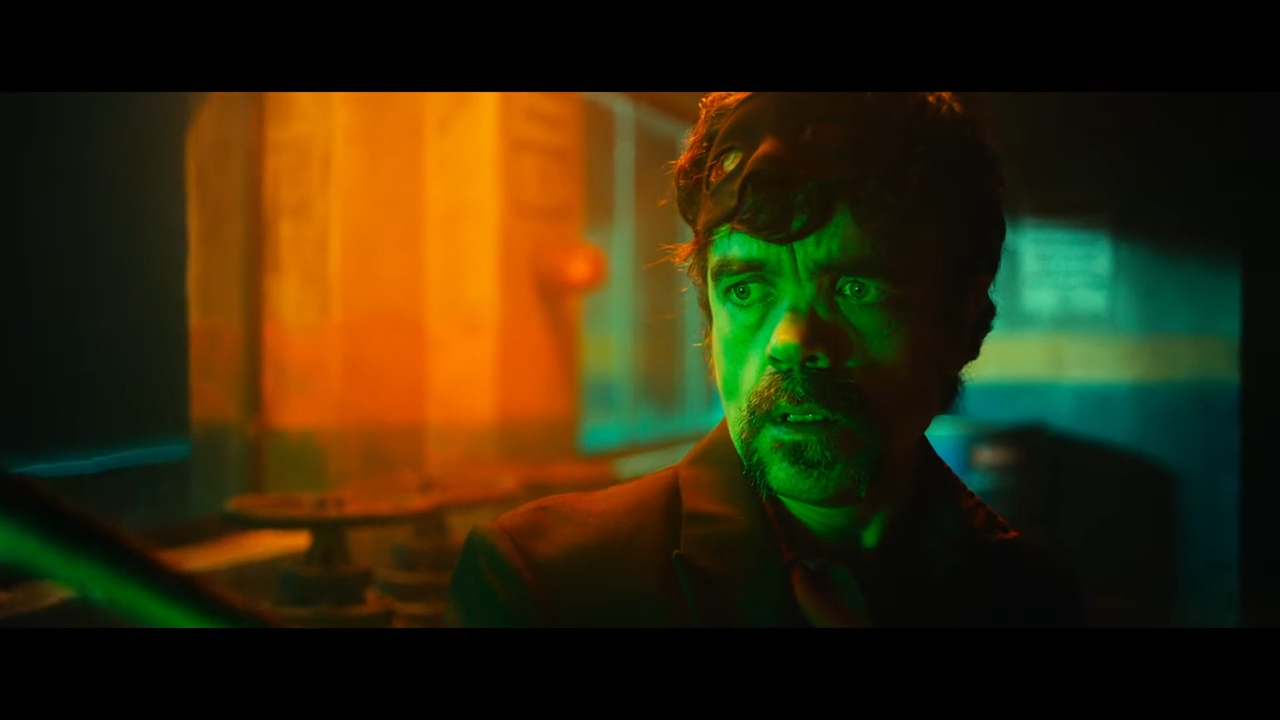
What was it like working with Peter Dinklage as Winston/Toxie? This is a side of him we typically don’t see.
Macon Blair: It’s why I thought he would be great for that role. He has this charisma and likeability, even when he’s playing vaguely sinister characters. People are drawn to him. He has that on-screen charisma. I thought it would be funny to employ that in a character who is unlike a lot of his other characters, not self-assured, not super smart, not super capable. He’s [Winston] totally out of his depth in a lot of ways.
I thought he could bring a lot of weight to that kind of character. I thought having a really strong actor in that central role would help ground it and keep it from flying off into something so silly with nothing you can emotionally connect to.
I felt very grateful when he said yes. With an actor like that, anchoring the whole thing, you could be silly but have an emotional clarity to it that keeps people hooked especially as the story gets more ridiculous.
Troma Entertainment’s co-founder and CEO Lloyd Kaufman has a cameo near the end of The Toxic Avenger. What was it like working with him, and did he give you any advice about the remake?
Macon Blair: He was great. Even before I knew what the story would be, I knew there would be a Lloyd cameo in there. I knew I wanted the nature of the cameo to be him yelling at me and telling me to shut up, which is why I put myself in that character so I could be there at the end for him to chastise. That was the whole point. I felt like we needed to have him in there. It’s his baby and his legacy.
He was very supportive and very kind. He was the first person, when I got hired to write it, that I checked in with. I wanted him to know my intentions were pure. I wanted to do right by him and his legacy. I asked for his blessing, and he was very kind.
He would pitch gags every now and then and call to check in and offer support, but it was really mostly him being a cheerleader. He really did stick to that. He would check in to give support and high-fives.

Indie horror star Sarah Nicklin (Popeye the Slayer Man, The Black Mass) really wanted a role in the latest V/H/S installment, V/H/S Halloween, to the point she almost landed a smaller role in another segment. Eventually, directors Micheline Pitt-Norman and R.H. Norman cast her as Nancy, a mom whose husband and son bring home a cursed L.P. that transforms their home haunt into a murderous and blood-thirsty scene. “Home Haunt” closes out the anthology, and it’s one of the strongest segments, complete with 80s Halloween vibes and killer set designs.
Recently, for 1428 Elm, I interviewed Nicklin about her relationship with the horror genre and her part in V/H/S Halloween. You can read the full interview here. I included some of it below. V/H/S Halloween is currently streaming on Shudder.
How did you become involved with V/H/S Halloween?
Sarah Nicklin: The directors of my segment are Micheline Pitt-Norman and R.H. Norman. I’ve been friends and fans of theirs for a long time. They did a short film a couple of years ago called Grummy that’s absolutely incredible. Besides loving them as people, I wanted to work with them.
They were selected as some of the directors for a segment. They said that they had in their script a role for a mom that I could potentially be a fit for. I was super excited. I also tried to hedge my bets a little. Just because they say they want you for something doesn’t mean it’s going to happen. The producers might want something specific or someone else. Things happen.
In this case, when they said they wanted me, it actually came through and worked out really well. I think that says everything about who they are as people. They’re very loyal and generous people. It also says a lot about the producing team of V/H/S. They trust the directors.
I did also audition for a different segment before I even realized it was V/H/S Halloween. On the audition notice, it just said the name of the segment. I did book a smaller role in a different segment. They treat each segment as their own movie. When I found out I had booked that first one, a couple weeks before “Home Haunt,” which was the last one to be filmed, I had to turn that one down before I had gotten the official offer for Nancy, which was really scary. As an actor, you never really want to turn down work. Luckly, it all came through the way it was meant to. I got to work in the role and segment I really wanted
You have an impressive list of horror movie credits. Other than the anthology format, what makes V/H/S Halloween different than your previous projects?
Sarah Nicklin: V/H/S is different because it has a big following. There are fans who really love these series of films, which I’ve learned since becoming part of it and going to conventions. There’s a good amount of pride and also pressure that comes with that to ensure you’re doing a good job, not that I didn’t want to do a good job on previous projects. It’s one of those things where you know there will be eyes on it. Other films I’ve done were very indie. They don’t have a name like Shudder behind them. You hope they’ll get picked up and be seen, whereas this one is coming out on Shudder no matter what. There was definitely some pressure that went into that.
I also think doing the found footage format is more unique, as opposed to other films, like Popeye, that are more standard. With found footage, even though you know where the camera is going, you have to be on all the time. The camera moves around so quickly and it can catch you when it’s not really meant to. It’s almost more like you’re doing a play and you forget about the camera. If the camera gets you, great. If not, you keep going. With other films, like Black Mass and Popeye, if you know you’re not on camera, you can dial it down a little bit. With this one, there wasn’t really an option to do that.
Your segment is about a family’s haunted house that comes to life and kills. What was it like walking through those haunted house rooms on set?
Sarah Nicklin: It was a dream, honestly. I’m a big fan of fantasy films. This felt like being in Labyrinth orThe Dark Crystal. I also felt like this really captured the essence of Halloween, but also that fantastical quality. There was a moment when I looked around and thought it was so cool and that it’s everything I ever wanted when I was little. It’s an incredible, magical set. I got to do a cool horror movie with people I really respect. That’s the dream. I loved every second of being there and working with the cast and crew. It felt so nostalgic, especially growing up in the 80s. It was a really special project for me in a lot of ways, especially to interact with those production designs.
I love the scene where your character takes an axe and then kills an executioner in one of the haunt rooms. What was it like filming that? Was it as fun as it looks?
Sarah Nicklin: It was very fun to do. I really like doing physical stuff, and any chance to fight monsters. is always great. All of that stuff was also very difficult, too. It’s very specific with found footage. With that sequence, they built a specific rig with the camera. It could be kicked on the ground and twisted to ensure it captured everything. All of our movements were very technical to ensure we were where we needed to be so the camera could catch it. There was also the strobing of the lights and carrying an axe, trying to make it look heavy. It was a foam axe. There was a lot of choreography that went into it.

How much say did you have over your costume design, and did you push to have the puffy 80s hairdo?
Sarah Nicklin: The look of everything was really Micheline’s vision. She has a wonderful eye for aesthetics and for detail. With the hair, she said she wanted me to have an 80s perm. She found a wig she wanted me to wear. That was all her.
We did do a series of costume fittings. A lot of the costume options for me were actually from Micheline’s personal collection. She really wanted it to be period accurate. She has a lot of her own vintage clothing from that time. We did go through a couple of different outfits. I did get to have a little bit of say in terms of what I was wearing. The sweater that I’m wearing with the hair feels very 80s mom. They went ahead with the pants that were the most 80s. [Laughs]. You had to go with the 80s mom jeans and the waist all the way up.
What’s next for you, and what keeps you coming back to the horror genre?
Sarah Nicklin: I really love horror because it’s such a great community of people. When I first wanted to be an actor, I didn’t set out specifically to work in horror. That just kind of happened. Horror is so loyal, and there’s such a community around it. That kind of snowballed, and now, I’ve been working in horror for a long time.
I go to other sets, and I feel out of place. I’ve been to sets where people look down on horror. They say it’s gross. I think that’s the most fun part, getting to do all the gore. Horror sets are the most fun. With horror sets, because such gruesome stuff happens in front of the camera, the sets are very lively. The people love the genre and put their hearts into it. I like to work in that kind of environment.

This fall semester, I’m fortunate to teach my Horror Literature and Film class again. Last week, one of my students asked for book recommendations, something to really scare her. Because I only have 16 weeks, I typically include 3-4 novels in the class. Mind you, we also cover films. I promised the student I’d share with the class a list of my favorite horror novels. Here’s my working list, though I’ll probably add to it.
The Haunting of Hill House by Shirley Jackson
in my opinion, Jackson’s second to last novel, The Haunting of Hill House, is a flawless novel with richly drawn characters, especially the protagonist, Eleanor, and the cultured Theo. Hill House functions as a ghost story, for sure, but it’s also about Eleanor’s increasing isolation and mental health struggles, especially the guilt she feels over her dead mother. This is also a book that I typically keep on the syllabus for my course, no matter other changes I make. Years after its publication, the scene when Eleanor wakes in the middle of the night and cries out, “Whose hand was I holding?” remains just as chilling today.
We Used to Live Here by Marcus Kliewer
Kliewer’s We Used to Live Here began as a serialized novel on Reddit before its recent publication. The story follows a young queer couple, Charlie and Eve, who flip houses. They can’t believe the deal they discover on a house in a beautiful neighborhood. Then, suddenly, a man and his family show up, knock on the door, and ask to look around. Not long after the strange family arrives, eerie occurrences transpire. Charlie suddenly goes missing and Eve questions her sanity. This is a real mind-bender of a book that buildings to a powerful and jolting conclusion. It’s one of my favorite horror novels of the last few years.
A Head Full of Ghosts by Paul Tremblay
it’s hard to pick just one Paul Tremblay novel to include on this list, but I’ll go with A Head Full of Ghosts, a book that’s very aware of exorcism tropes and references them, all while telling its own demonic possession story, or maybe, it’s simply a novel about a family rattled with economic anxiety. The book experiments with narrative and includes blog posts, as well as plenty of references to The Exorcist. After 14-year-old Majorie Barrett starts displaying signs of possession, the book ramps up the scares, but it’s also a heartfelt and emotional story about a troubled family at its breaking point.
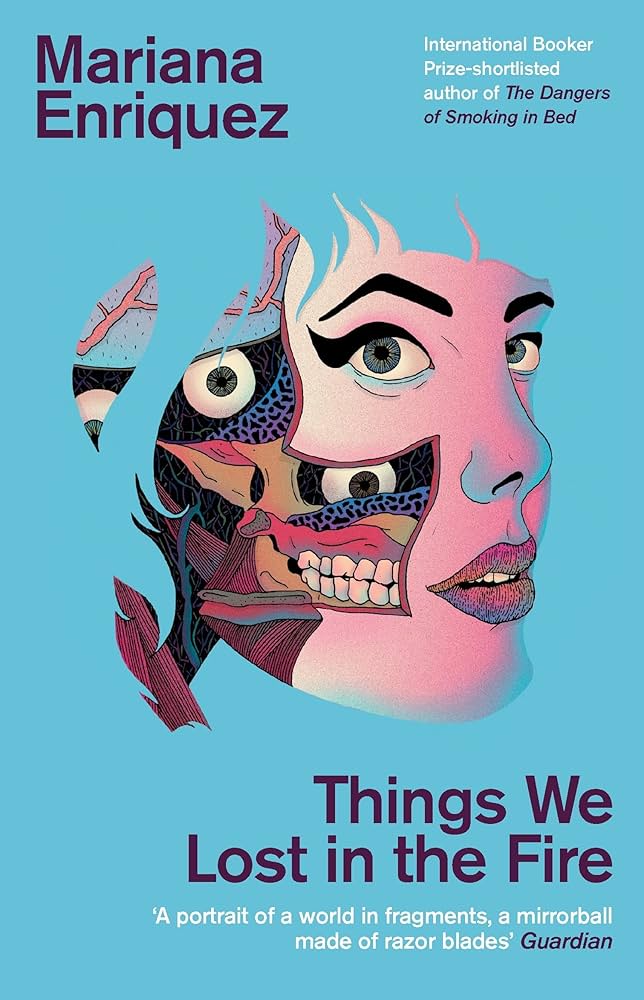
The Dangers of Smoking in Bed and Things We Lost in the Fire by Mariana Enriquez
Argentinian writer Mariana Enriquez has been compared to the likes of Shirley Jackson and Borges, and for good reason. She has quite a body of work, but I recommend starting with her short story collections The Dangers of Smoking in Bed and/or Things We Lost in the Fire. Her stories are strange, surreal, and eerie. Some of them also function well as political allegories. She’s one of my favorite contemporary genre writers and a heck of a powerful voice.
Tender is the Flesh by Agustina Bazterrica
Agustina Bazterrica is another Argentianian writer who is a must read. The less i say about Tender Is the Flesh, the better. Go into this dystopian novel totally blind. Trust me, once you finish it, you won’t be able to shake the haunting and bleak ending. This novel has lots to say about capitalism and exploitation.
Our Wives Under the Sea by Julia Armfield
This British body horror novel is as chilling and moving as any other novel on this list. Armfield’s book follows a lesbian married couple, Miri and Leah, who become distant and unmoored after one of them returns from a deeply disturbing and catastrophic deep-sea dive. The novel takes an even stranger turn when Leah starts coughing up salt water and displaying other odd symptoms. This book combines elements of body horror with Lovecraftian terror. It’s also a heartbreakingly beautiful metaphor about a troubled relationship and two people growing apart.

Recently, for 1428 Elm, I had the chance to interview Madison Lawlor and Orion Smith, who play a young Ed and Lorraine Warren in The Conjuring: Last Rites. The two talked about the research they did before stepping into the roles as the famous paranormal investigators. They’re also open to reprising the roles, should the series continue beyond this fourth movie. You can read the full interview here. I also included some of it below.
The Conjuring: Last Rites focuses on the Smurl haunting. The Smurls were a family from West Pittston, PA who claimed they were haunted by demonic spirits. The case drew a firestorm of local and national attention. Because The Conjuring: Last Rites made so much money this past weekend, and surprisingly had the highest opening weekend out of any of The Conjuring films, it’s unlikely this is the end for the franchise. That said, it does seem likely Verma Farmiga and Patrick Wilson are done with that universe. We’ll see.
First of all, what was it like to play the younger versions Ed and Lorraine Warren?
Madison Lawlor: It definitely felt like big shoes to fill. The Conjuring universe has built this amazing fanbase and so much of that is due to the relationship between Ed and Lorraine and Vera and Patrick. I just wanted to do it justice and honor them and the world they built.
Orion Smith: I remember that even just getting the audition for this was so cool. Then, we got the callback and got cast for the parts. There was so much excitement, but we realized we had to deliver on this. It was such an honor to play the younger versions of them. There was pressure there, but I was so glad everything turned out well, and the movie is being acknowledged as it should. I just feel so grateful.
How much research into the Warrens did you do prior to this film?
Orion Smith: It was a mixture of the real Ed Warren and what’s been created in The Conjuring universe by Patrick Wilson. I spent a lot of time watching their interviews and reading their real cases and trying to get a grasp of who they were as people and what they were like growing up, especially since we played the younger version of them. I then let all of that go and honed in on what’s been created in previous movies and appreciating the incredible relationship that Ed and Lorraine have in these movies and really honing in on who they are in that way.
Madison Lawlor: The production sent us a ton of footage and interviews that we could watch beforehand, which was very helpful. As Orion said, the version that a lot of people know of Lorraine is the version that Vera has beautifully brought to screen. I spent a lot of time studying her, the way she moves, the mannerisms, and the way she speaks, so hopefully the younger version would have a sense of familiarity with the audience.
Were you able to talk to Vera Farmiga and Patrick Wilson at all while filming? If so, did they give you any advice about inhabiting the lives of these famous paranormal investigators?
Madison Lawlor: They were incredibly kind, warm, and generous. Vera sat down with me. She has so much knowledge about Lorraine and this world. She was an open book. She taught me how to do the rosary wrap the way that she does it. She was also incredibly encouraging. She said to have ownership over this and to bring a freshness to it. She was incredibly cool, kind, and generous with her time.
Orion Smith: Same with Patrick. He sat down with me. We went through, beat by beat, my whole sequence. We talked about the voice, Ed Warren, and all these different things. It really gave me a grasp of who Ed is and how he loves Lorraine more than anything.

What was it like shooting that nerve-jangling birth scene at the hospital? Was it as intense as it comes across in the film?
Madison Lawlor: It was incredibly intense. We shot, even just the end part of that scene, over three days. It takes a lot of physical stamina that I think is hard to play around with. It was draining and exhausting, but also beautifully satisfying. It’s such a team sport. You’re in that room with all of these other amazing actors and amazing sets. I was able to work with a midwife who talked me through the reality of what a traumatic birth feels like. There was so much support there, but at the same time, it’s physically uncomfortable. You’re on a hard, tiny, medical cot. You’re in this crazy position, and it was very exhausting. My body was physically sore. I was really concerned about losing my voice, but it was a trip. It was crazy.
Orion Smith: The physical, mental, and emotional exhaustion was real. I felt like my job was to be there for Madison, and as Ed, to be there for Lorraine and to be present as she went through this immensely traumatic experience.
This is supposed to be the final Conjuring movie, but if you’re asked back, would you return as Ed and Lorraine? This is hypothetical and nothing has been announced yet.
Madison Lawlor: I’d be grateful to be part of any of it. They built this incredible world, and it would be so fun to explore.
Orion Smith: Even from the perspective of a fan of the franchise, it’s so interesting to think about how they began. Their origin story is such an interesting concept to me. I’d be honored.
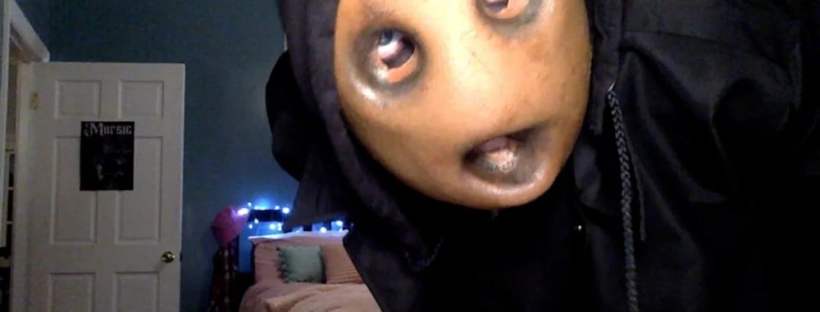
Last fall, during Fantastic Fest, I had the chance to interview director Stuart Ortiz about his film Strange Harvest: Occult Murders in the Inland Empire, and stars Peter Zizzo and Terri Apple, who play detectives Joe Kirby and Alexis Taylor. The film is currently in theaters, and while Weapons has dominated the genre conversation lately, I highly recommend Ortiz’s film. It’s a deeply unsettling and grisly take on true crime. Since the movie just had its theatrical release, I thought it would be a good time to share the interview, which was initially published over at HorrorBuzz.
Stuart, what made you want to film a faux true crime documentary? Is it simply because of the culture’s obsession with serial killers?
Stuart Ortiz: In my first film, Grave Encounters, which is a found footage film, we had a little bit of documentary elements in that. I always thought it was a cool approach to a horror movie and a horror story that I haven’t seen utilized that much. It was always on my mind, trying to return to that and do something that was a documentary horror movie.
During COVID, Tiger King came out. It was a phenomenon. Tiger King, at its core, is basically a true crime story. Even though it has all this other silly stuff, it’s basically a true crime story. It occurred to me that true crime was huge and everywhere. It wasn’t just a small thing. It really had legs.
I was also very influenced by True Detective. I’ve always been a fan of police procedurals. When you inject a bit of weird, uncanny, otherworldly stuff, it’s perfect for me. It’s up my alley creatively.
The Mr. Shiny character was kind of a conglomeration. Some of the Zodiac Killer is in there. His motivations are not the more conventional. Our killer in the film has his own motivations that are otherworldly. He’s obsessed with this mythology and a cult element. If I had to say there were any serial killers [that influenced the film], probably David Berkowitz, the Son of Sam killer. He thought he was talking to some entity. There was this guy, Herbert Mullin, who killed because he thought an earthquake would destroy the world if he didn’t. These were guys who were driven by a higher purpose in their minds. I kind of used them as examples.
Peter and Terri, can you talk about playing these two detectives and also how you dealt with subject matter that’s so heavy, and at times, shocking?
Terri Apple: It was very interesting because I get freaked out by this kind of thing, even though I watch a lot of it. When I was a kid, my father owned a building, and they had Halloween there. I never went through the haunted house. It freaked me out. My dad took me to meet all the actors in character. Then, he finally convinced me to go through the house, which was a four-story building. It was such a funny thing. I thought I could do this character. That’s what got me onto set.
I realized it looked really realistic, but I have a big empathy for this. I’m also fascinated by serial murders and the genre in general. From that perspective, I always thought if I wasn’t an actor, I would have loved to have been someone who helped solve serial murders in real life.
In general, I liked playing her [Det. Alexis Taylor] as real as possible. That was her passion, to get to the bottom and solve this because of her childhood and her background.
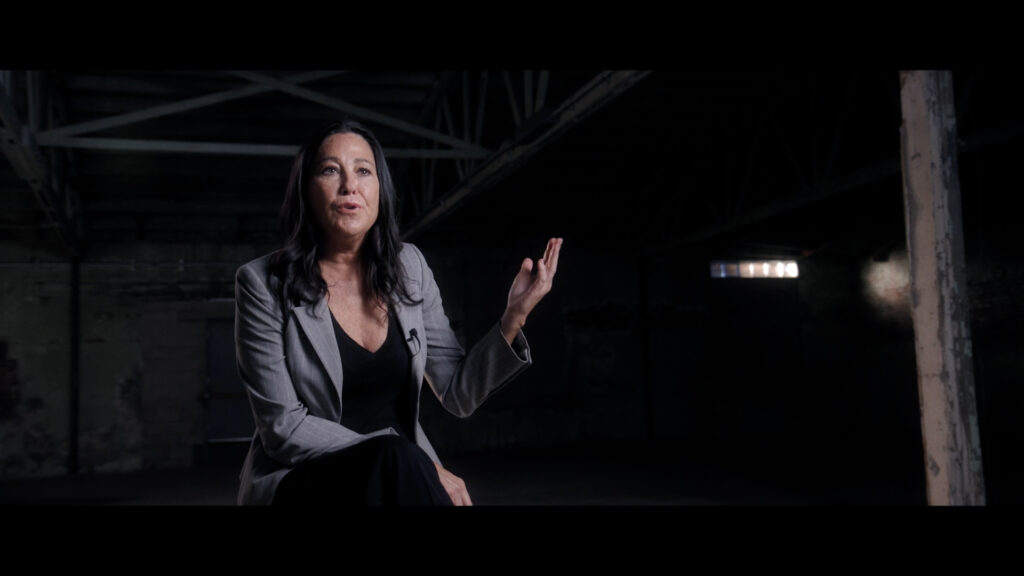
Peter Zizzo: Like Stuart and Terri, I’m already a big fan of the genres, both horror and true crime. I immediately was drawn to the approach to this film and wanted to bring as much realism to a character that requires the buying in of the viewer.
My therapist knows a retired New York City homicide detective. I got on the phone with him a couple of times and had him tell me stories. I really paid attention when he described some horrific things. There was a certain grace about the guy and a certain empathy that somehow came through this matter-of-fact way he’d describe really horrible things. I thought it was a great lens to view my character through. You can see behind his eyes that there’s a lot of sorrow.
Stuart really specified that he wanted micro expressions. I thought it was a cool thing for me to bring to this character. It wasn’t just me sitting there, running lines in a suit. It also led me to work on my voice a little bit.
There’s a moment in the film when a victim’s mother says that the names of serial killers become infamous, but too often, we forget the victims. Does anyone want to comment on that powerful concept?
Stuart Ortiz: I think that is completely true. That’s just the reality of the times we live in. There’s been a fascination with these killers. It’s a sad truth that their victims are lost in the shuffle. They become numbers and faceless names. It’s a tragedy. It was important in this to highlight the victims. They couldn’t be left out or on the sidelines.
Terri Apple: I worked with Find the Children about 20 years ago. I went into schools to talk about missing kids. It really always has been a personal passion. I do think the police need a stronger thorough thread to connect these victims and to give these victims a platform. It is true that serial killers get a bigger name. We’re desensitized now. I think it’s important to emotionally connect with the families.
When I walk in on that family, in the beginning of the movie, it’s real. It does happen. It’s a real family. It’s a true component.
Peter Zizzo: Typically, in life, when you hear about something horribly tragic, one of the things you’ll say is, God, I can’t imagine what that must be like. With most horror films, you don’t have to imagine. They show you the kills and the horror all the time. With this film, you have two level-headed narrators that walk you through these unbelievable, horrific things. I think it involves more empathy and more shock when you imagine what it must have been like. You just see the end result.
Terri and I, our characters, talk to you calmly about how their blood was drained. You can see it really bothers us, but you don’t see it happen. You hear about it, and in a way, that’s almost doubly effective. It’s a great approach to a horror film.
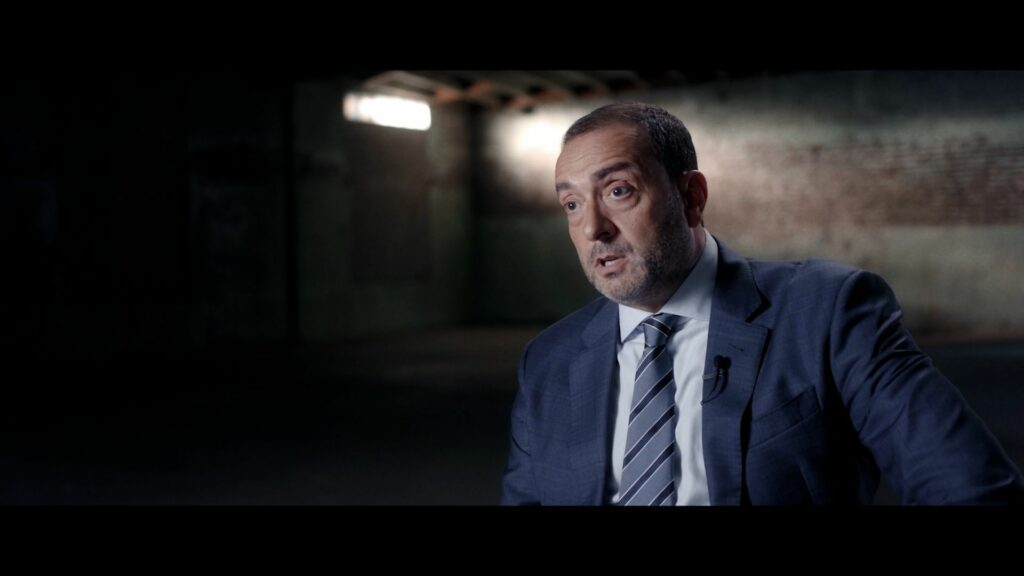
It feels like each murder case we learn about is more brutal than the last. Can you talk about filming some of those gruesome scenes?
Terri Apple: I want to jump in from a woman’s perspective and from the character’s perspective. I thought I wasn’t going to be able to handle it. Stuart and I had a conversation about it. I told him I couldn’t do it. The character could do it, but I can’t do it. Peter had no problem with it. [Laughs]. I was freaked out for a very long time. I kept saying that I can’t. I realized I’d have to be on set with this in actuality. It’s not play acting. You’re recreating. It was so life-like on the set.
I have to tell you I was extremely surprised by the brilliance of the way Stuart set it up. Yes, it’s brutal, but guess what? These murders are freakin’ brutal. It was really weird, but this is the reality of what goes on. I played a character who has a real problem with it, but her passion of solving it was greater. That’s my own perspective, as someone who was so nervous about doing it.
Stuart Ortiz: It was a pivotal thing to try to get the realism right. Tom Savini, a famous make-up artist who did Friday the 13th, Dawn of the Dead, and all of these amazing movies, would talk about how you just know when it’s right and when it looks right. I can’t exactly say what that barometer is for me, but when we set up the bodies and crime scenes, I tried to go for the realism and not have it be more of a Hollywood thing, where it’s cleaner and more presentational with a dead body. It was about the awkwardness and trying to capture the reality of death as closely as we could.
Peter Zizzo: We did a screening in Beverly Hills. Some of the people who came out to support me are my friends, but they don’t necessarily want to see gore and violence. It’s a real testament to the way the film handles it. For them, it was a lot, but they still loved the movie. You have these shots, snippets, and flashes of something. It doesn’t linger enough where you get up and walk out. The film handles it deftly. For those repulsed by violence and gore, I think they can handle this. What I come away with is the story. I think that’s why people that doesn’t necessarily gravitate towards the kill count will also be good with this. It’s just the right amount to freak you out, but it doesn’t feel exploitative.
Terri Apple: With all these really gory movies that we do watch, like Friday the 13th, you’re actually watching people be murdered. Here, we walk into scenes post. This is a different perspective.
Stuart Ortiz: Mostly what you see are things in the aftermath and examine crime scenes after things have happened. I think that’s why true crime is so popular. It gives people who listen to it or watch it a context and safe space to experience these horrible things. It’s always with commentary. Your hand is held through the whole thing. Usually, it’s something that happened in the past. It’s not a direct threat now.
I think that helped us with our film. Even though we do have horrific crime scenes and violence, it’s always with the examination and lens of a true crime documentary. Like Terri is saying, it helps people and lessens the blow. It’s a sugar with medicine kind of thing.

Three years ago, during the Fantasia Film Festival, I interviewed Alex Phillips about his feature debut, All Jacked Up and Full of Worms, one of the festival’s buzziest feature debuts, in part because of the shock value and the awesome practical effects. Phillips returned to Fantasia this year with his second film, the steamy erotic thriller Anything that Moves.
His second movie is a love letter to 1970s filmmaking, with its grainy aesthetic, its use of 16 mm film, and the inclusion of adult film actress legends, including Ginger Lynn Allen. For HorrorBuzz, I interviewed Allen and Phillips about the movie. You can read the full interview here. I included some of it below.
Alex, this movie, like your first feature, is so wild and crazy. Where the heck did you get the idea for this film?
Alex Phillips: The seed of the idea came from my work delivering sandwiches. I was a bike delivery kid. I did that when I was in my 20s. I encountered a lot of fun, strange regulars that I would see all the time. I’d get to know them. I was their point of contact in a lot of ways. I did have some shut-ins and some people who were excited to see me. I wanted to expand upon that personal experience and take it to new heights and take my own personal relationships and use genre and poetic imagery and storytelling to link these experiences together.
Can you talk about the film’s aesthetic, especially the fact you shot this in 16 mm? The whole thing feels like a love letter to 1970s filmmaking.
Alex Phillips: I kind of obsessively watch movies and they become the lens of which I see the world. While it is a love letter to the 70s, I think we come by it in an authentic way. We’re trying to engage with real life but do it by recognizing the history of film at the same time. Being able to shoot on 16 was awesome. With this being an erotic thriller, we get this real physical, literal texture to every image. We could sense it in every way. We could smell it, taste it, and feel it. It was great to shoot on film.

Ginger Lynn, what was your experience like being on set for this film and working with a young cast? It seemed like you had a lot of fun. Did you give the younger cast members any advice?
Ginger Lynn Allen: I was lucky because during the beginning of my adult career, everything was shot on 35 mm. I love the feel of film. I love what Alex and everyone put together to make this so amazing.
Ginger Lynn Allen: I’m a bit older these days, as we all get. I didn’t specifically sit anyone down. I tried to make them feel as comfortable as I do in their own skin and just their skin. The movie isn’t about sex for me at all. There’s so much more to it. I think every actor in this movie nailed it. Working with Hal, he was so easy and so comfortable.
There’s a photo that someone took on the set, after we finished filming. There’s a refrigerator, and I have my breasts out, no panties on, and a little apron. Hal has everything out. We’re sitting up next to each other, drinking bottles of water, with all our parts hanging out. I hoped that my comfortableness fed other people’s comfortableness and got rid of their insecurities. I’m going to sound like someone’s mom here, but I was so proud of everyone in this movie. They pulled it off. It was one of my favorite sets to work on. A lot of young people don’t take things as seriously as my generation did, but everyone on this set was pro. I think we all fed off of each other.
Was it difficult balancing the tone of this movie? It’s steamy, funny, and at times, a horror movie. It really mashes up genres and tones.
Alex Phillips: I think that’s what a movie should do. It was in the script, and we shot it with that intention and found it in the edit also, to really nail those shifts. Every element was driving towards these turns that will feel both character-driven and emotional to bring the audience along on this otherwise crazy ride.
Ginger Lynn Allen: It was really interesting to sit with so many people [at the Fantasia premiere] and listen to when they laughed or jumped. I don’t watch my films a lot, but I loved the reaction from the audience. They got it. Don’t’ laugh here, but I think this is a really beautiful film.
Alex Phillips: We really feel for Liam. Hal did a great job of opening up the world of the film. We can access all of this insanity because he’s so grounded and so open. It’s easy to fall in love with him and worry about him.

I’ve probably watched at least 15 movies from this year’s Fantasia’s Film Festival, and The Undertone just may be my favorite. Nina Kiri plays podcaster Evy, who self-medicates to deal with daily stresses, including caring for her ailing mother. Evy and her podcast partner listen to 10 audio files that follow the haunting/possession of Mike and Jessa. The film is a true auditory nightmare with a heck of a performance by Kiri. This feature has the creepiest sound design that I’ve heard in a long time, and the film draws inspiration from the likes of Paranormal Activity and The Exorcist.
As part of my festival coverage for HorrorBuzz, I interviewed the writer/director, Ian Tuason, and Kiri. You can read the full interview here. I also included some of it below. I also reviewed the film, which you can read here.
Can you talk a bit about the experience of shooting this film, since so much of it relies on the audio and sound design and Evy’s reactions to those factors?
Nina Kiri: During the first week, we did most of the podcast stuff and the entire length that’s part of the podcast. We did it in chronological order, which was really helpful. She [Evy] slowly starts to descend and unravel, and it was helpful to do that in chronological order, to be honest. Once that was over and a lot of the dialogue was over, I felt more relaxed. I could live in the scenes more.
Michele came the second week. I think that was really nice for everyone. It brought a new energy that was so much more than what we expected. It didn’t really feel like acting on my own because the person playing Justin [Evy’s podcast co-host] wasn’t yet cast, but someone was on location, in a different room, speaking to me live for every take. It really didn’t feel like I shot the movie on my own and didn’t have any scene partners.
Regarding the audio recordings, I didn’t hear them until the day we shot the scenes. That created an organic response. I never felt alone in the parts where it’s just me, which is a lot of the movie.
Ian Tuason: I didn’t really direct Nina specifically about what to do when she’s listening or even speaking to Justin. She could be looking at anything.
Nina Kiri: It starts nonchalant, with the first audio file, but then it gets creepier and creepier. There’s a weight to it that felt more specific. Instead of just looking around, there’s a lot more concentration. She has to hear things correctly because she’s not sure what’s going on. I think keeping things small until it merits being bigger was a really good choice. I remember thinking that so much of this movie is listening. I don’t want to act while listening. I don’t want to try to make it interesting at all. I want to do what feels right. Then there are moments I realized, while watching it, where it becomes a bigger performance and it really pays off. There’s a lot of stillness, and I think there’s a lot of fear around stillness. But with everything else going on in the movie, it’s enough to be authentically listening.
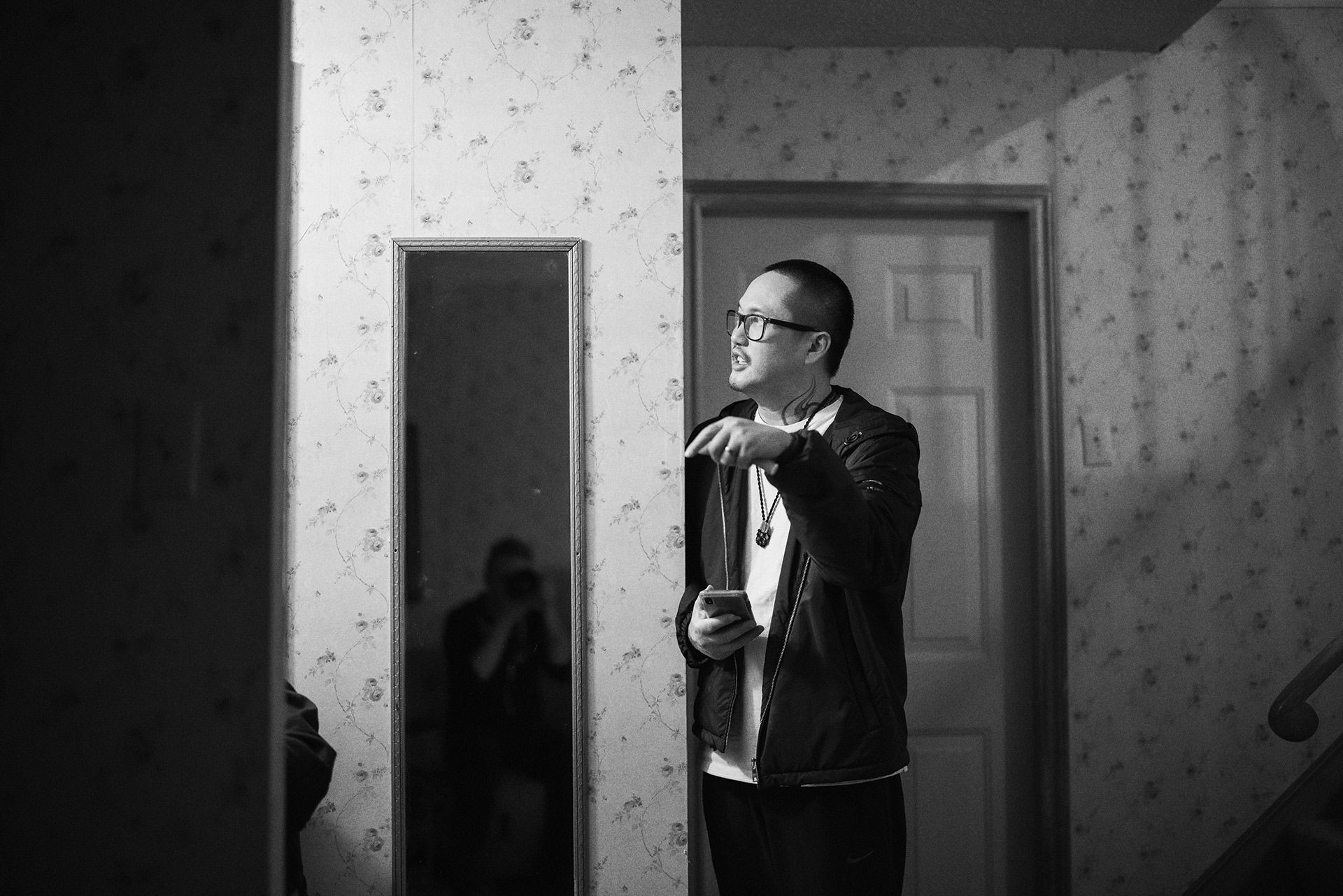
Talk about the eerie narrative regarding the audio files and the characters of Jessa and Mike. Where did that idea come from, and Nina, what was your experience like hearing those audio files for the first time?
Ian Tuason: Three films creep me out. The Exorcist is number one. Number two is The Blair Witch Project, and number three is Paranormal Activity. Paranormal Activity is what the audio files are. It’s the couple in bed. They’re recording themselves asleep, and that scared me.
Undertone started off as a radio play, something that I was going to publish as a narrative podcast. Then, all of a sudden, life events happened, and I became the caregiver to my parents. I had this script written already for the podcast, and I thought it would be perfect to make into a film. Then, I added my first favorite film, The Exorcist, in between recordings of the podcast. I feel like I combined my two favorite horror genres, which are possession and found footage, except, in this case, it’s found audio, not found footage. That’s why I think people are going to get creeped out. I think everyone will be scared when they watch this movie.
Nina Kiri: It was basically kind of what I said before. It allowed me to have the experience. Because so much of it is me listening and because listening doesn’t have to involve movement or performance, hearing them for the first time felt like a genuine reaction and not put on in any way. It kind of took my brain away from having to think about being compelling or interesting. I was really listening, and they’re so good. Those recordings are incredible. I don’t think there’s much acting involved when you hear something that good. It always makes me feel better as an actor knowing that the director is trying to help me and support me by helping my performance be genuine.
Ian, can you address the film’s incorporation of folklore and the female demon Abyzou?
Ian Tuason: It’s based on an actual demon from the Book of Solomon. I did some research because I wanted to do the same thing that The Exorcist did regarding an ancient entity. When I was writing the story and needed to find a female demon, and one that threatens pregnant women, I found that one. I used it, and then weird stuff started happening in my house. But I saged my house, and it’s fine now.

Once again, I’m incredibly grateful to be covering the Fantasia Film Festival this summer for HorrorBuzz. In terms of genre cinema, Fantasia is one of my favorite fests. To this point, I’ve screened nearly ten films. One of my favorites is Sweetness, the feature debut of writer/director Emma Higgins. It’s a dark coming-of-age tale about music fandom, addiction, and a clash of realities. Watch for this film after it makes its festival rounds. It just premiered at South by Southwest a few months ago before screening at Fantasia. It’s worthy of the buzz it’s generating.
I had the pleasure of interviewing Higgins about the film, including her background as music video director and what she learned as a filmmaker directing music videos. Sweetness certainly has a lot of visual flair. You can read the full interview at HorrorBuzz, but I included some of it below. Keep an eye on Higgins, along with the film’s leads, Kate Hallet, who plays 16-year-old Rylee, and Herman Tommeraas, who plays Rylee’s major crush, the Swedish pop start Payton. They both give knock-out performances.
You have a background directing music videos, and this is very much a film about music, obsession, and creativity. Can you talk about your journey as a director and the journey of this film?
Emma Higgins: I talk a lot about music videos as a really great way for any filmmaker to get their foot in the door and build a reel and find their voice, which it was for me. There are very few barriers of entry. With music videos, it’s a very creative space. You can find a local band or artist who needs visuals. They need something. They’ll have a couple thousand dollars that you can rent a camera with, buy everyone lunch, and shoot something weird. Music videos have no rules. It allowed me to make stuff. I made a lot of music videos. I say to young filmmakers to just make something, and then you have to make something else and something else. It takes a while to find your voice.
I truly found my voice. I think a lot of that comes through in Sweetness, just in finding my sensibilities with camera, with color, with lighting, with framing, with a comfort of being on set and problem solving on the go. Musicians can be crazy people. If you can deal with insane musicians who don’t show up to set and have wild ideas, it trains you for indie film in a way I don’t think anything else quite can.

Was Herman Tømmeraas from the Netflix series Ragnarök always someone in mind for the role of Payton? Tell me about working with him, especially since his role here is so different.
Emma Higgins: We found him in the casting process, and when we did, I didn’t know quite what I was looking for entirely until I saw it in him. He was in Skam in Norway and in Ragnarök, of course. The deciding factor for me is that he read for the role and crushed it. The questions he asked when we discussed the character were informed and intelligent. He’s a very smart and well-researched actor.
He was also a professional dancer. I started watching him on stage in all these dance shows he was doing. He has the charisma. I could see the dark in the acting, but you have to see the other side of it, which is the sparkle, performer, and front man. He had it in spades. He just ticked every box and was lovely to work with. I think I won the lotto when I was introduced to Herman. He’s an angel.
Without spoiling anything, I wanted to touch upon the ways this film deals with addiction, destructive decisions, and even grief. What was it like handling some of those heavier themes?
Emma Higgins: There is a lot of heavy subject matter. Part of the inspiration was meeting fans at shows who were very intentional but hurt as well. When they would tell me that a band saved their life, they really meant it, in a very dark way. When they were perhaps contemplating suicide, a song pulled them from the brink of that. The music can really mean a lot to people and actually be a lifesaver. That is art at its best. I hope that’s what most songwriters are intending when they write songs that can connect with people that deeply.
Addiction itself, too, is not something to be taken lightly at all. Even though this is a fun film, there are themes of choice in it and doing the wrong thing. I think you see that often in both of our leads in the film. They have choices throughout the film to do one thing or the other, and they continue to make the wrong choice for themselves, whether it’s an addiction or obsession.
Kate Hallet, as Rylee, really turns in quite the performance here. What was it like working with her, and was she based on any specific music fans you met in that industry?
Emma Higgins: Working with Kate was incredible. She has an amazing career ahead of her. She’s really, really good at taking direction, even with minute changes, like the way she’ll do something slightly different with her eyes or the delivery of a word that can completely change the tone of a scene. She’s a very nuanced performer, which was very needed. The plot and story are absurdist. It needs to be balanced out with a very grounded performance. She holds that down.
In terms of the basis of the character, yes, it was based on meeting fans, but there’s a lot of me in Rylee. I don’t make the same choices she does, but I do understand. I grew up in the suburbs and remember being her age. I remember feeling very lonely and alienated and just really latching onto, for me, movies, and finding something that made me feel like I had a space I could belong in. It was living in movies for me. What she has for music, I had for films. Eventually, through film, I found my freaky deaky people that chose to make films for a living. It gave me a real sense of family, purpose, and belonging, which, for me, was a lifesaver. I can relate to that desire a lot. I think that gave me a lot of sympathy for the character, too.
Anything else that you’d like to add that we didn’t cover?
Emma Higgins: We really want to get more people to see the film. I talk a lot about who the audience is for the film. As a filmmaker, I think that if you’re trying to make a film for everyone, you’re going to fall short. I really made the film for my own teen self. That’s what I set out to make. Now it’s about finding other people, like music fans, genre fans, and horror fans, the girls as well. It speaks to this girlhood experience. It’s satisfying to know that I could make a movie that was designed for me and there would be people who would love that as well. It makes me feel seen. I’m just very grateful for the experience to show this film.
 Brian Fanelli